

Have you started to notice cracks in your ceiling of late?
It could be a thin line running across the drywall, a small circle around a light fixture, or a gap where the wall meets the ceiling.
If yes, I am sure you are curious what is causing it, and more importantly if you should be worried about it.
Now, to begin with, a lot of minor cracks that we see in our home ceilings are completely normal. They happen as the building materials in our homes age, dry out, or respond to temperature changes.
You need not worry about these, just get them repaired during routine maintenance.
But then there are some cracks in the ceiling that are caused by moisture damage, movement in the home’s foundation, or a problem with the ceiling’s framing. You have every reason to worry about these cracks, hire a structural engineer, and get the root cause of the crack fixed at the earliest.
In this blog, I have explained all the causes of ceiling cracks and when these cracks are warning signs of something serious.
So, let’s get started.
Key takeaways
- Small, stable cracks along drywall joints are mostly cosmetic, you can repair them during routine maintenance.
- Widening cracks, sagging ceilings, water stains, or falling debris need urgent attention.
- Cracks that appear alongside sticking doors, uneven floors, or wall damage indicate a bigger building issue.
- Moisture, poor drywall installation, normal building movement, and structural problems can all cause ceiling cracks.
What causes cracks in the ceiling?
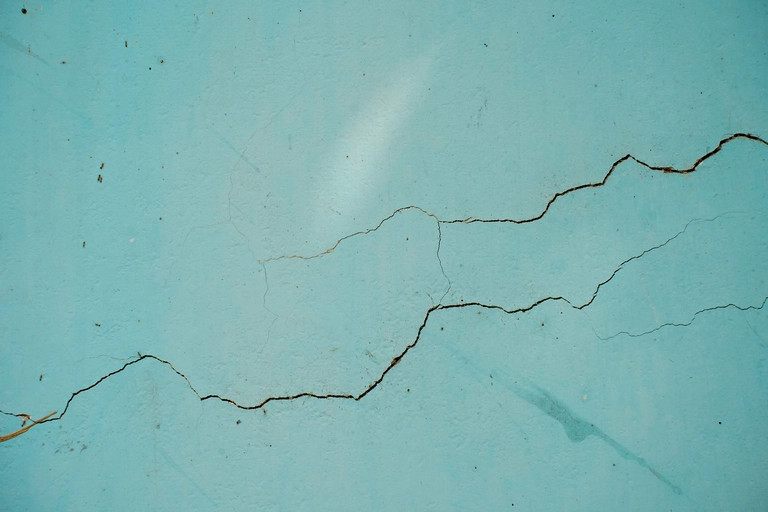
There are various reasons why you see a crack on ceiling. This can be caused by anything from a minor problem with the drywall to a serious structural flaw that needs urgent attention.
Overall, here’s what causes cracks in a ceiling:
#1. Normal settling and aging
Homes do go through some regular movement over the years. Also, building materials undergo changes. These cause small hairline cracks which are not very serious and you can get them fixed during routine home maintenance.
#2. Drywall and plaster issues
Sometimes ceiling cracks happen due to poorly finished joints,loose fasteners, or joint tape that is failing. In this case, you will find cracks where ceiling panels meet the drywall.
These cracks can return if the underlying problem remains, even after you patch off the surface. This is why it is essential a pre-drywall inspection checklist is followed and all potential drywall problems are fixed.
#3. Temperature and humidity changes
Changes in indoor humidity and temperature all affects the drywall, plaster, and wood framing. And these changes do lead to minor cracking, especially in old Houston homes.
Nothing to worry big time here though, you can fix these issues during annual home maintenance.
#4. Moisture and leaks
A roof leak, plumbing leak, or other source of water can also damage ceiling materials and cause cracks.
You should watch for discoloration, peeling paint, bubbling, or soft spots alongside the crack. If you see these, moisture or leaks are the likely culprits, and you will need to fix the underlying damages first before repairing the crack.
#5. Foundation or structural movement
Movement in the foundation or supporting framing places stress on ceilings and walls, causing major cracks. Also, it causes cracks in a lot of areas at once and not just one isolated location.
If you see big cracks or cracks in the ceiling that appear at a lot of places, your home’s foundation or structure needs urgent inspection.
Here’s how these ceiling cracks might look like in your home:
| Cause of crack | What you might notice |
| Normal aging and movement | Small cracks that develop gradually as building materials age or move slightly. |
| Drywall installation problems | Long, straight cracks along seams where drywall panels meet. |
| Temperature and humidity changes | Fine cracks that appear as materials expand, contract, or dry out. |
| Water damage | Cracks with brown stains, bubbling paint, dampness, or soft drywall. |
| Foundation or structural movement | Cracks accompanied by wall damage, uneven floors, or doors and windows that become difficult to open. |
| Excessive weight or framing problems | Cracking that occurs alongside a sagging ceiling or visible deformation. |
Ceiling cracks: When to worry about them?

As I said, not every crack in the ceiling should get you worried. If there is a small crack and it is not widening over the weeks, you can simply take note of it and get it fixed during maintenance.
But then, if a crack appears out of nowhere, keeps growing, and is followed by other signs of damage, you should get the root cause fixed on priority.
Overall, here are four types of ceiling cracks that need urgent remediation:
#1. Cracks keep widening or getting longer
If a crack continues to grow, it might be a sign of foundation movement. Also, it can be a sign of a problem with building materials above the ceiling.
I suggest you take pictures of the change in cracks. And if the cracks keep spreading, have the root cause assessed and fixed before repairing the surface.
#2. Multiple new cracks appear at once
If a lot of cracks start to appear in a lot of places in your ceiling, it is likely something serious. More so if there is a crack between wall and ceiling.
My advice is to pay attention to whether nearby walls or other parts of your home are also showing damage signs. That’s because this could be a sign of structural movement.
You should hire a structural engineer in this case to determine what is causing the damages and fix it.
#3. Water stains, bubbling paint, or soft drywall
Have you been noticing brown or yellow stains, peeling paint, and soft or damp drywall?
If yes, there is a good chance of roof leak, plumbing leak, or another moisture problem.
You see, water or moisture leakages weaken ceiling materials. So do get the source of moisture identified and fix the damaged materials.
#4. A sagging or bulging ceiling
A ceiling that dips, bulges, or appears to be pulling away from its supports might have a problem with its materials or supporting structure. This is more concerning than an isolated hairline crack. So my suggestion is to keep people away from the affected area and get a professional to inspect and fix the root cause.
Engineer’s tip:
You should pay particular attention to cracks that change big time over days or weeks. Also, a crack that keeps returning after repairs should be assessed, especially if it is becoming wider or appearing alongside another damage.
Most importantly, do not ignore a ceiling that is visibly sagging, bulging, or shedding material. Keep people away from the affected area and get urgent professional help.
What do different patterns of cracks in the ceiling mean?
When your ceiling is cracking, it shows certain patterns of crack. And if you pay close attention to these patterns, it can tell you a lot about the cause. Although these patterns are not a substitute to expert assessment, it can give you a rough idea about what is wrong.
Here are some common patterns and what they mean:
- Hairline cracks: Fine, narrow lines can develop as materials age or drywall joints shift slightly. If a hairline crack stays stable and there are no other warning signs, it is likely cosmetic. However, even a narrow crack deserves attention if the ceiling is sagging or other damage is present too.
- Long, straight cracks: These cracks often happen around drywall seams or plaster joints. Likely causes can be loose joint tape, poor finishing, or movement between panels.
- Diagonal cracks: These cracks can develop when parts of a building move differently or stress concentrates in one area. You should check whether the crack continues down a wall or appears near doors and windows, because if that happens, it will need urgent remediation.
- Circular or spiderweb-shaped cracks: Circular cracks in ceiling result from surface or plaster damage, localized movement, or stress around a ceiling fixture. If the area is bulging, damp, or deteriorating, you should get it assessed.
- Cracks between the wall and ceiling: These can result from movement between connected building materials, but they can also be caused by framing or foundation movement. Look for similar gaps elsewhere and also for uneven floors and changes in movement of doors and windows.
What should you do if you notice cracks in ceiling?
The first thing you should do is document everything. Take a lot of pictures, note the date, and check for changes in the cracks after every few days.
If the crack grows, new cracks come up, or other damage happens, call in a professional right away and get the root cause assessed.
For instance, if there are nearby water stains, dampness, sagging, wall cracks, uneven floors, or sticking doors and windows, a professional assessment should be the first order of business. A professional will help you identify the source of the problem and address it.
Most importantly, don’t do simple patchwork over a crack before understanding the cause. This is especially true for cracks that keep widening or coming back.
If there is an isolated crack with no other issues, civil engineers cost way less than structural engineers and get these issues fixed in no time.
But if there are signs of structural movement, framing problems, or a sagging ceiling, you should definitely hire a qualified structural engineer to evaluate the underlying issue.
Can Houston’s soil and weather contribute to ceiling cracks?
Yes, they can play a role in some cases.
You see, much of the Houston area has clay-rich soils that can expand when they absorb moisture and shrink as they dry. And these changes in soil moisture can affect how the ground supports a home’s foundation, potentially contributing to movement.
Also, heavy rain, poor drainage, plumbing leaks, and prolonged dry conditions can all affect moisture around a foundation. And if foundation movement happens, the resulting stress can show up as cracks in walls or ceilings.
However, a ceiling crack does not always mean you have a foundation problem. A crack that appears alongside sticking doors, sloping floors, or several new wall cracks can surely be a sign of foundation or structural problems. But minor cosmetic cracks can happen notwithstanding where your home is, and they are not as big of a worry.
Frequently asked questions about cracks in the ceiling
Are hairline ceiling cracks dangerous?
Not big time. Hairline cracks are related to aging materials or drywall joints. You can monitor them for changes, and get an assessment if they widen or appear with water damage, sagging, or other signs of movement.
Can ceiling cracks indicate foundation problems?
Yes, they can, but they are not proof of foundation damage. Cracks that are followed by uneven floors, sticking doors, or wall separations can indicate foundation problems and they should get a foundation or structural evaluation.
What causes crack between wall and ceiling?
Crack between wall and ceiling can result from movement between building materials, drywall-joint problems, or changes in the framing. If the gap is growing or other areas are cracking, you should get the underlying cause assessed.
Are circular cracks in ceiling a reason to worry?
Not always. Small circular or spiderweb cracks might be limited to the surface and not pose danger. But cracks around a fixture, especially with sagging, moisture, or loose material, can be reason to worry and should be assessed.
When should I call a structural engineer about a ceiling crack?
You should call a structural engineer for in-depth evaluation if cracks are growing, several areas are affected, the ceiling is sagging, or cracks appear alongside other signs of building movement. A structural engineer can assess whether the damage points to a problem with the framing or another structural component.
To sum up
As you can see, cracks in the ceiling can mostly be a simple cosmetic issue, and you can get them repaired during routine maintenance. However, it can sometimes also signal a serious problem that needs urgent attention.
The best thing you can do is see how the crack looks, notice whether it is changing, and what else is happening in the home. If the cracks keep growing or are followed by other damages, you should get a structural engineer evaluation done at the earliest.
Got more questions or want to schedule a structural engineering assessment at your Houston property?
You can get in touch with us!
At Bullseye Engineering Inspection, we are seasoned structural engineers with decades of experience serving Houston area homes and commercial properties. We can assess the condition of your property and determine whether structural fixes are needed.