
If you ever look at your property survey, you will notice a strip of land marked as drainage easement. It might look like a small detail, but it affects everything from where and how you can install a fence, build a backyard shed, or change your yard’s grading.
This is exactly why as civil engineers in Houston, we examine every detail around easement of drainage before starting any work.
Now, if you’re curious what a drain easement does, it helps preserve the space needed for water to flow and for drainage systems to be accessed and maintained.
In this blog, I have explained everything about drain easements, including:
- What it means for you as a property owner.
- How easement affects what part of your yard you can use.
- Who is responsible for maintaining the easement area.
- What drain easement restrictions apply in Houston.
So, let’s break it down.
Key takeaways
- A drainage easement gives a third party some rights to use or access a defined part of your property for drainage purposes.
- You still own the land, but your ability to build or make changes is restricted.
- A drainage easement can cover a ditch, a grassy swale, an underground pipe, or an area with no obvious drainage structure.
- Maintenance responsibilities depend on the easement documents, the drainage system, and the parties involved.
- Before you build, landscape, or change the ground level, do check your property survey, recorded documents, and applicable local rules.
What is a drainage easement?
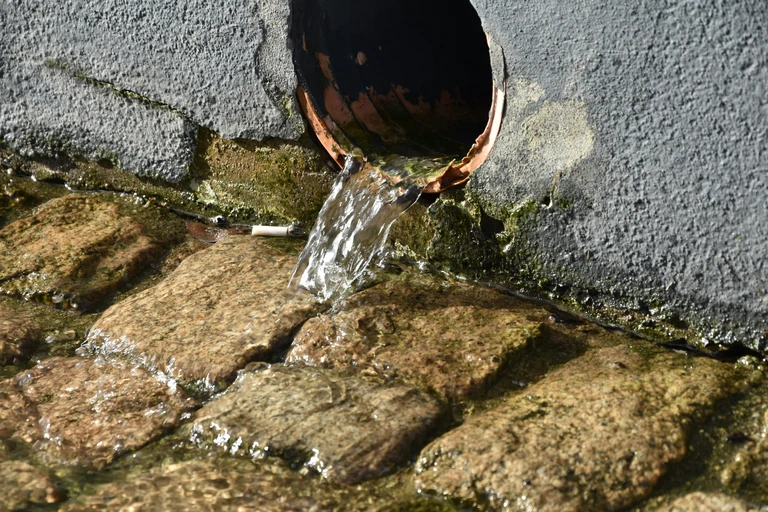
A drainage easement is a legal right that allows a government agency, property owner, utility, or other authorized party to use a specific part of your property for drainage purposes. This can include allowing stormwater to pass through the land or providing access to drainage pipes, ditches, and other facilities.
For instance, rainwater from nearby streets or properties might need to pass through a designated drainage area on your property to reach stormwater detention or drainage, creek, or other outlet. The easement helps protect this space so that water can continue flowing and the drainage system can be accessed whenever necessary.
Does a drainage easement mean you no longer own that part of your property?
Not really. You are still the legal owner of that part of the land. However, your rights to use that land parcel is limited by the easement’s terms.
For instance, if your local government body holds the easement, it will have some access and drainage rights. In fact, the party holding the easement will still have these rights after you’ve sold your property.
Here’s a simple way to understand easement of drainage and how it affects your rights as the property owner:
| Question | Answer |
| Do you still own the land? | Yes. |
| Why does the easement exist? | To preserve drainage flow or access to drainage facilities. |
| Can you use the area? | Yes, you can but with restrictions. |
| Does easement disappear when you sell? | Not really. An existing easement generally remains in effect unless legally terminated. |
Note: The exact terms of drain easement will depend on your land recorded documents. So do read those documents carefully and if you need more clarity on the terms reach out to your city council.
Are drainage and utility easement the same thing?
No, a drainage easement is not the same as a utility easement.
A utility easement provides rights for facilities like water lines, electrical lines, or other utilities. Your property can have both, and each can have different restrictions.
If you own a property in Houston, your property’s recorded plat and easement documents can help establish each of the easement’s location and the restrictions they pose.
What does a drainage easement look like on a property?
While a drainage easement might sound like a drain, it doesn’t look like one. Some easements are quite easy to spot, but others blend so well with other structures of your property that the property survey is the only way to locate them.
Overall, here’s how a water easement might look like on your Houston property:
1. A grassy swale or open ditch
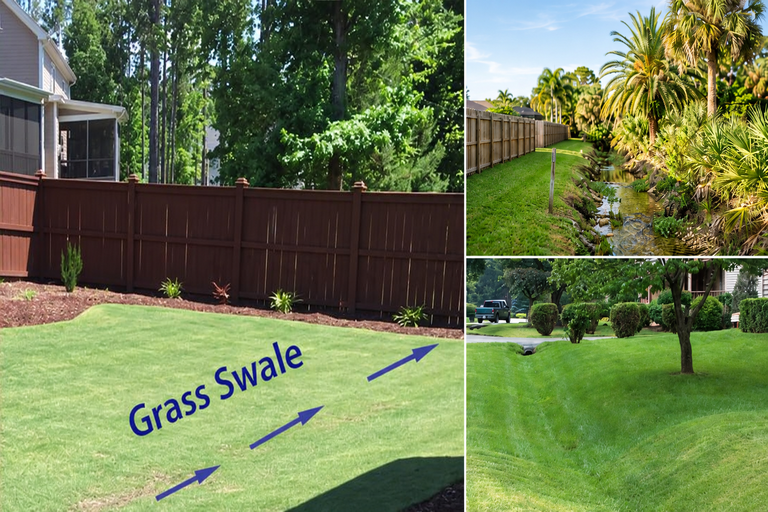
A drainage easement can cover a shallow, grass-covered channel or an open ditch that carries rainwater away from homes and streets. This area might look like an ordinary part of your lawn when it’s dry, but its shape and slope help direct water during rainfall.
2. An underground drain or storm pipe
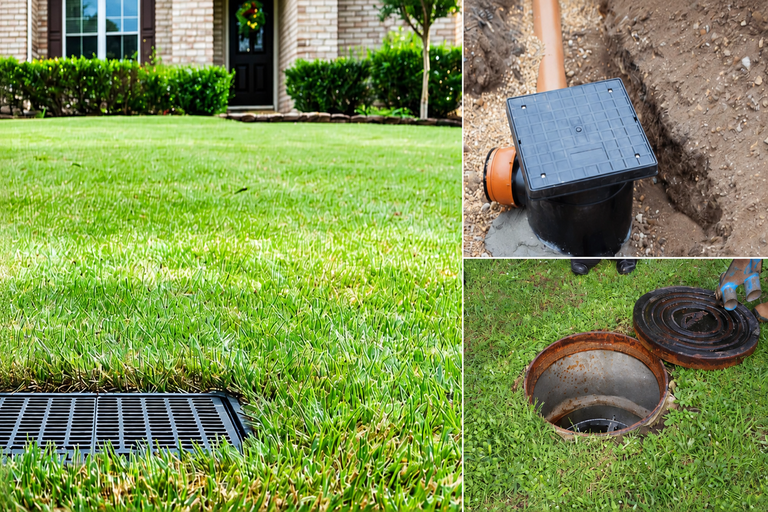
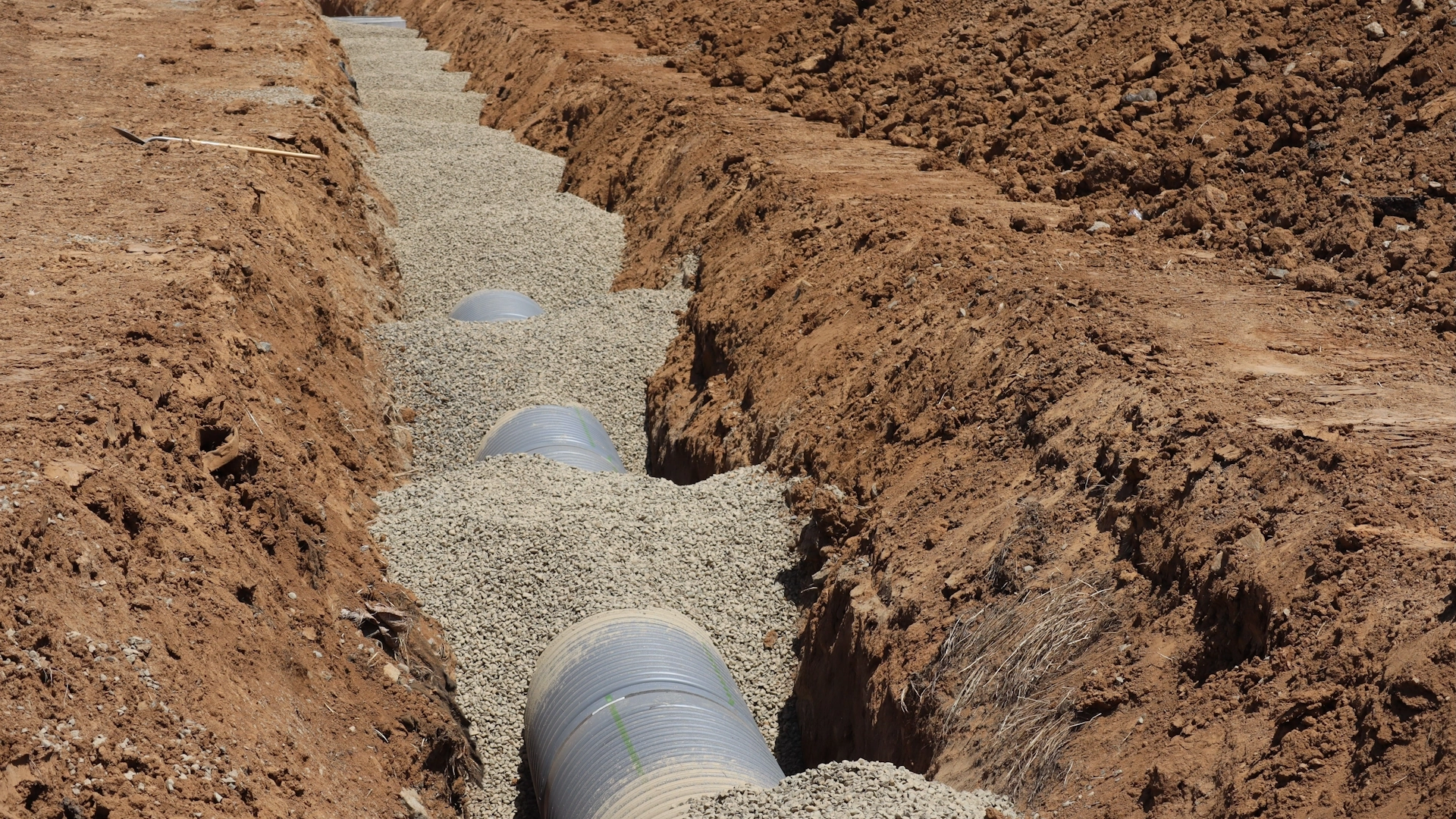
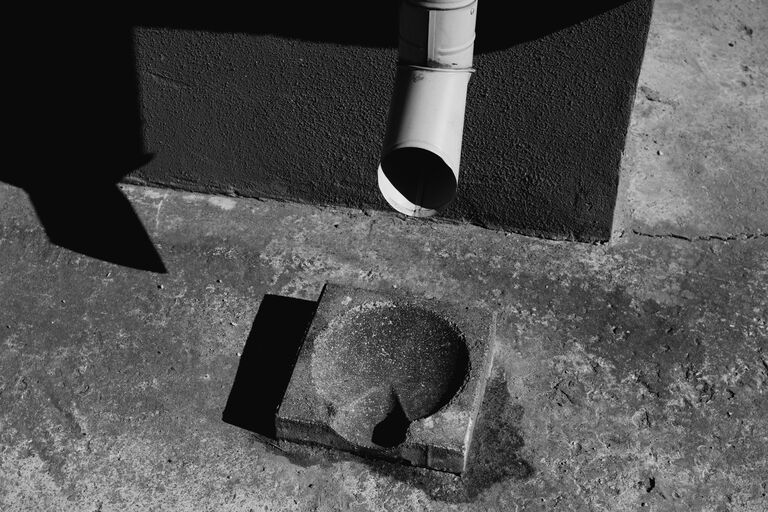
Some drainage systems run underground. You might see a drain inlet or access structure, or you might see nothing obvious at all.
This easement is still important because workers need access to the pipe for inspection, maintenance, or repairs.
3. A strip along the side or back of your yard
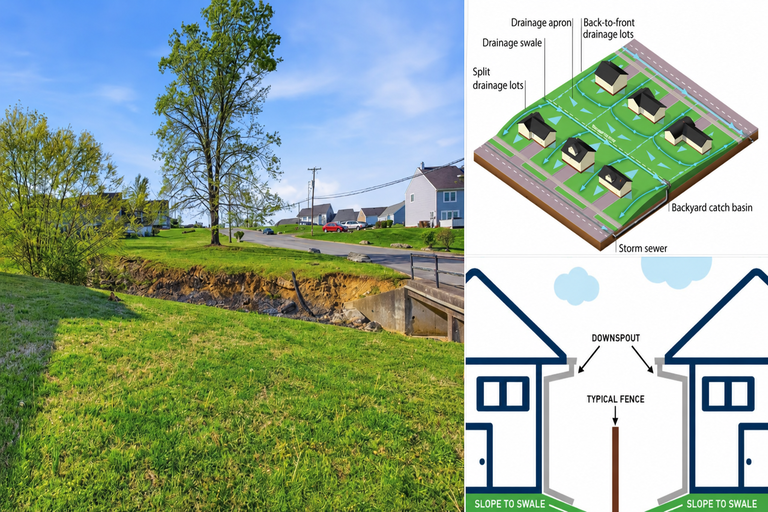
In some Houston subdivisions, a drainage easement runs along a side or rear property line. It can be marked on the subdivision plat or property survey, even if there’s no visible ditch or drainage structure.
Civil engineer’s tip: You can’t always identify a drainage easement just by looking at your yard. So do check your property survey and recorded plat to understand where it is located and how it might affect how you plan to use that part of the property.
What are the rules and restrictions for a drainage easement in Houston?
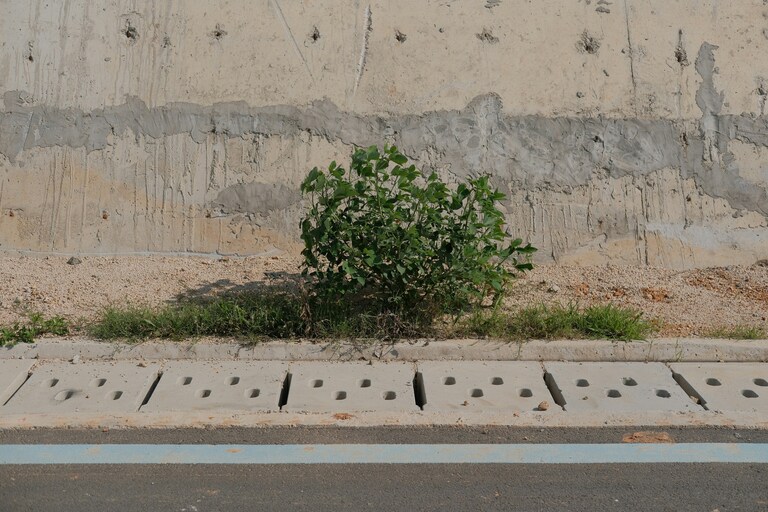
If you have a drainage easement on your property, you still own that part of the property and you can use it too. But there are some restrictions that you need to know about before making changes.
Houston’s subdivision regulations detail how you can build, erect fences, or do plantations, among other things within designated drainage easements.
Here’s what you should know about building, fencing, or landscaping in the easement area:
Can you build on a drainage easement?
It depends on the easement and the rules that apply to it. A shed, fence, pool, patio, or retaining wall can interfere with water flow or prevent workers from accessing drainage infrastructure. This is why Harris County Flood Control District (HCFCD), for instance, lists unauthorized fences, decks, and storage sheds in its right-of-way as potential encroachments.
So before you build these, do check the following:
- Sheds and extensions: Make sure the proposed structure is not prohibited within the easement.
- Fences: Check whether a fence is allowed and whether it can block access.
- Pools and retaining walls: Verify the applicable restrictions before planning their location. More so because the regulations around drain easement can also affect the cost of retaining wall.
- Patios and driveways: Don’t assume that a paved surface is permitted just because it doesn’t block water visibly, do check local regulations.
Can you landscape or change the ground level?
Basic lawn care is mostly allowed on the easement, but there are restrictions on major significant landscaping changes.
For instance, adding soil, raising or lowering the ground, planting trees, or installing features that redirect water can all interfere with the drainage system. This is why any change that interrupts the intended flow of water is restricted in Houston.
If you want to change the grade of your yard, add landscaping features, or install any structure, do check easement documents and ask the city authority if approval is needed.
Who is responsible for maintaining a drainage easement?
For starters, it is not the city department’s sole responsibility to maintain an easement of drainage. As property owner, it can also be your responsibility to maintain the area, although the extent of responsibility depends on the easement agreement, the drainage facility, and the parties involved.
For instance, if there is an easement in your home’s backyard, you can be expected to mow the grass or remove leaves and debris. In the meantime, a public agency maintains its drainage infrastructure.
Also, private drainage facilities can have separate maintenance arrangements involving the property owner or homeowners’ association.
If you’re unsure who handles which part of maintenance, start with these steps:
- Review the easement documents. Look for sections explaining maintenance duties and access rights.
- Check your property survey and subdivision plat. These can help identify the easement’s location and any relevant notes.
- Contact the appropriate authority or easement holder. Depending on the property, that might be the City of Houston, Harris County Flood Control District, your HOA, or another responsible party.
Most importantly, don’t assume that a blocked drain, damaged pipe, or drainage problem is automatically someone else’s responsibility.
How do you find out if your property has a drainage easement?
If you want to locate a drainage easement on property, here are a few things you should check:
- Property survey: Check for labeled easements, boundaries, dimensions, and drainage features.
- Subdivision plat: Review the recorded map for easement locations and restrictions.
- Deed and recorded documents: Look for the legal terms that establish the easement and explain the rights granted.
- Title company or closing professional: Ask for help locating the relevant records if you can’t find them.
- Local authority or easement holder: Contact the appropriate office if you’re unsure who controls the drainage feature or whether your plans are permitted.
Civil engineer’s tip: Online maps can also be useful starting points, but don’t rely on them alone to establish the exact legal boundary. Also, if the survey and recorded documents are unclear or appear inconsistent, do get professional help.
Frequently asked questions about drainage easements
Is a drainage easement the same as a water easement?
Not always. People sometimes use these terms interchangeably, but the rights they cover depend on the recorded document. So do read the actual easement rather than relying on its informal name.
What is the difference between a public and private drainage easement?
A public drainage easement grants rights to a government agency or public entity, while a private drainage easement benefits a private owner or another party. This difference in public or private easement can affect access and maintenance, but do check the recorded terms to determine the specific rights and obligations.
Can a drainage easement affect my home’s value?
It can affect how you use or develop your property, depending on its location and restrictions. However, the impact varies from one property to another. If you’re buying a home, do review the easement before making a decision.
Can I remove or change a drainage easement?
Don’t assume you can remove or relocate it yourself. The process depends on the easement’s legal terms and the rights of the party that holds it. In some cases, you might need formal approval or legal assistance.
To sum it up
As you can see, drainage easements occupy only a small part of your yard, but it affects where you build, how you landscape, and who needs access to your property. That is why it is important you understand its location and restrictions as it will help you avoid unexpected costs and drainage problems.
The best thing you can do is review the survey and recorded easement documents before you start any backyard project or make changes to your property’s grading.
Got more questions or want to hire a civil engineer to assess an easement before construction?
You can get in touch with us!
At Bullseye Engineering Inspection, we can help you assess the engineering side of the easement and plan construction or renovation as per easement rules/agreement and in accordance with applicable Houston/Texas rules.