
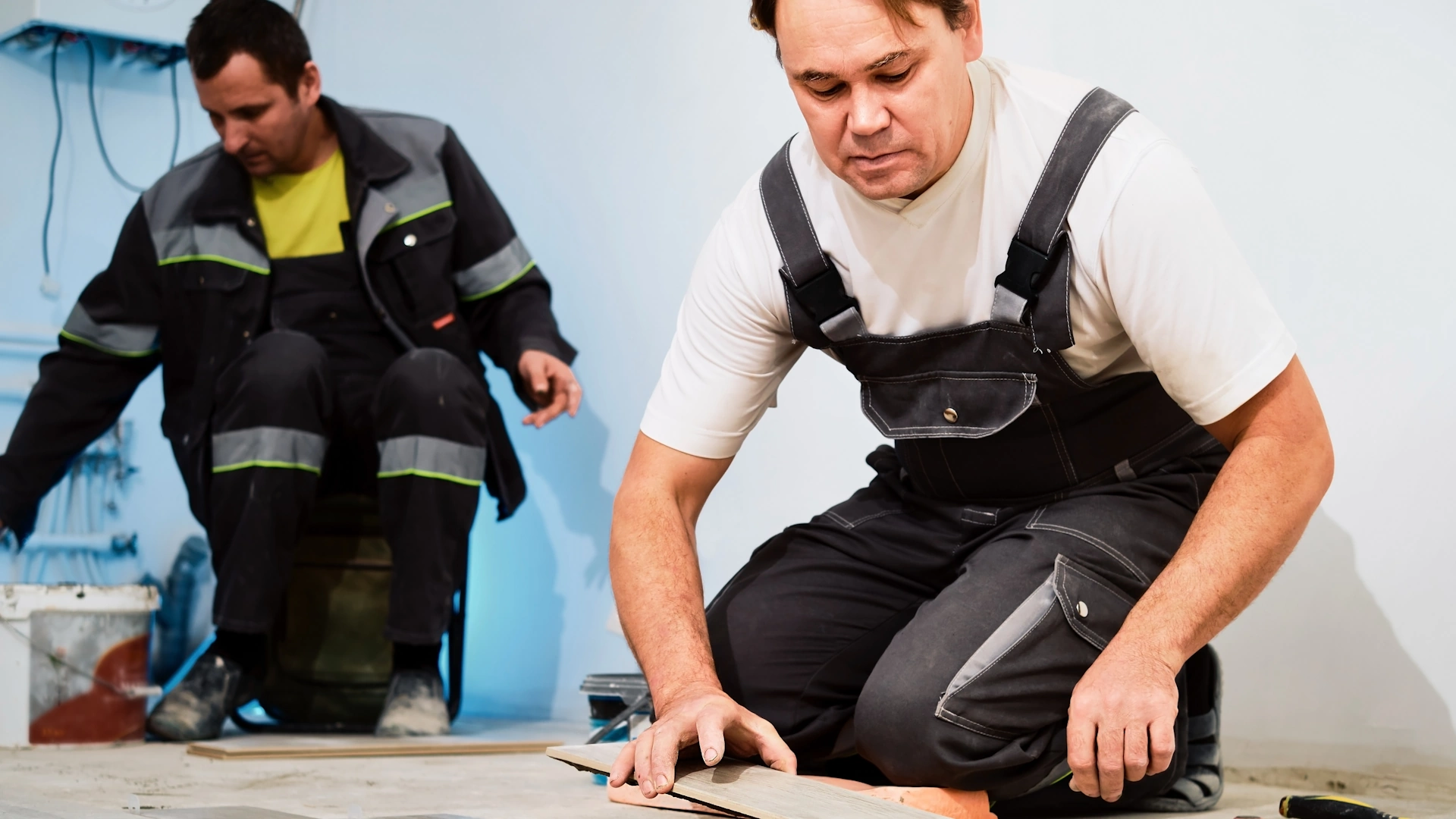
Have you started noticing that the floors in your house are not level?
It can be anything from a slight slope in a room to furniture not sitting evenly.
If yes, I am sure you are already wondering what’s causing it, and, more importantly, whether you should be worried about it.
Now, to begin with, not every uneven floor is a sign of serious structural damage. Some floors can have minor slopes because of the way your home was originally built, and that’s normal. Also, floors can become uneven with time as flooring materials age or the supporting structure changes over time.
But then, uneven floors can also result from foundation movement, damaged floor joists, weakened support beams, or moisture problems. These are serious issues that need close attention. Simply leveling the floor will not fix the underlying problem here.
This is especially important for Houston homeowners because this region has expansive clay soils, changing moisture conditions, drainage problems, and plumbing leaks that can cause movement around your home’s foundation.
In this blog, I have explained the common causes of uneven floors in a house, how you can identify potential warning signs, and what solutions actually work.
So, let’s get into it.
Key takeaways
- Uneven floors can result from foundation movement, damaged joists, weakened beams, moisture, or original construction issues.
- Sloping floors do not automatically mean you have a foundation problem. Sometimes the supporting floor structure can also be responsible.
- Houston’s expansive clay soils and changing moisture conditions can contribute to foundation movement.
- The right solution depends on the actual cause. Self-leveling compounds will not fix a structural problem.
What causes uneven floors in a house?
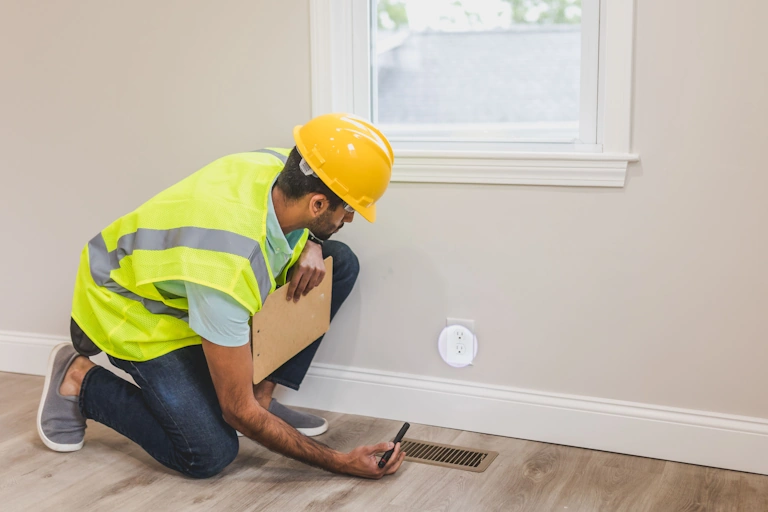
There are many reasons why you might notice uneven flooring in your home. Sometimes the problem is limited to the flooring or subfloor.
But in other cases, it involves the foundation or the structure supporting the floor, and this is when you should hire a structural engineer.
Here are some of the most common causes of uneven floors in a house:
#1. Foundation settlement and differential movement
One of the first things my clients worry about when they notice sloping floors is foundation damage. And yes, foundation movement can certainly cause floors to become uneven.
You see, your home’s foundation is supposed to transfer the weight of the building safely into the ground. However, if different portions of the foundation move even a little, the floor above them can start to slope or become uneven.
This is called differential settlement in structural engineering. It can happen when soil conditions or moisture levels change under your house, or when parts of the foundation are not supported consistently.
In this case, you might also notice other signs along the uneven floors. This includes cracks in ceiling or interior walls, gaps around doors and windows, or doors that suddenly become difficult to open.
Note: An uneven floor alone is not proof that your foundation is damaged. A structural engineer can take into account the overall pattern of floor movement and other signs of problem before deciding what exactly needs to be repaired.
#2. Sagging floor joists and support beams
Sometimes, the foundation is not the problem at all. The unevenness can also come from the floor framing above it.
For instance, the wooden joists supporting your floor might start to sag, weaken, or become damaged over time. Similarly, a supporting beam or post might no longer provide required support.
When this happens, you can notice that one section of the floor dips, particularly around the middle of a room or along a particular span.
In old Houston houses, this can happen because of aging or deteriorating wood, inadequate original support, or previous modifications to the structure.
Also, if someone removes or alters a load-bearing wall without providing the necessary replacement support, the floor above can start to sag.
In these cases, applying a leveling compound over the floor will not solve the problem. The supporting framing will need to be checked and repaired where necessary.
#3. Expansive soil and changing moisture conditions
This is particularly relevant for homeowners in Houston.
You see, much of the Houston area has clay-rich soil that can expand when it absorbs water and shrink as it dries. These repeated changes in soil moisture can affect how evenly the ground supports your home’s foundation.
For instance, prolonged dry weather can cause the soil to shrink, while heavy rainfall or water leakage can increase moisture levels around the foundation.
Now, different parts of the soil under your home respond differently to these conditions, the foundation can see uneven movement. And this movement can eventually show up as sloping or uneven floors.
This does not mean every uneven floor in Houston is caused by expansive soil. But given the region’s soil and weather conditions, it is one of the factors I consider when evaluating a home’s foundation.
#4. Water damage and plumbing leaks
Water damage is another common reason floors become uneven, especially when moisture reaches the wooden components supporting them.
For instance, a leaking bathroom pipe, a faulty appliance connection, or water entering through an exterior wall can gradually weaken the subfloor and floor joists.
As the wood absorbs moisture, it might swell, warp, or eventually begin to rot. This can create soft spots, dips, or sections of flooring that feel unstable underfoot.
In some cases, the damage can remain hidden under the flooring for a long time. You might only notice a musty smell, discoloration, loose flooring, or a soft area before realizing that there is a plumbing or moisture problem.
My suggestion: If you notice moisture intrusion, identify and fix the source of moisture before trying to level the floor.
#5. Poor construction and previous renovations
Not every uneven floor develops because some systems have deteriorated with time. It is also possible the problem was there ever since your home was built.
For instance, floor joists might have been installed with slight variations, the subfloor might not have been properly leveled, or the original framing might not have provided the required support.
Also, past renovations can cause uneven floors. Removing a wall, changing the layout, or making alterations to the floor framing without accounting for the loads above can affect how the structure performs.
In old Houston homes, you might also find floors that have gradually settled into their current position over many years.
In a situation like this, it is important to determine whether the floor is simply uneven or whether it is showing signs of ongoing structural movement. The best way you can do this is schedule a structural inspection in your home
What do different types of uneven floors mean?
The way your floor looks and feels can offer important clues about what is happening under it.
For instance, a floor that slopes across an entire room can mean a different thing than a floor that dips in the middle or feels soft in one spot.
Here is an easy way you can tell what an uneven floor means by the look of it:
| What you notice | Possible cause |
| Floor slopes in one direction | Foundation movement or differences in floor support |
| Dip or sag in the middle of a room | Sagging joists or an inadequate support beam |
| Bouncy or springy floor | Weak, damaged, or insufficiently supported joists |
| Soft or spongy spot | Moisture damage, deteriorated subfloor, or damaged flooring |
| Buckling or cupping hardwood | Moisture changes or flooring installation issues |
Note: These are possible explanations, not definite causes. That’s why you should always rely on a professional structural engineer inspection rather than fix the problem yourself by looking at the above symptoms.
Uneven floors in Houston: When should you worry about it?

A slightly uneven floor in an old Houston home might not necessarily be a reason to panic. As I said, uneven floors can be caused by subfloor issues that aren’t very serious.
However, if the condition is getting worse or appears along with other signs of damage, you should take it seriously.
Here are some warning signs you should watch for:
#1. The floor slope is getting worse
If you have noticed that the floor has become more uneven over the past few months or years, it is worth taking a close look. A gradual but sustained change here might indicate ongoing movement in the foundation or deterioration in the supporting floor structure.
#2. Many rooms have uneven floors
A dip in one small area can be related to a localized flooring or framing issue. However, when many rooms across your house have sloping or sagging floors, the problem can involve a larger section of the foundation or supporting structure.
#3. Doors and windows suddenly start sticking
Are you noticing that doors no longer close properly or windows have become difficult to open?
If yes, it is a concern. That’s because changes in the way doors and windows fit can sometimes happen along with structural movement. If these problems appear along with uneven floors, they need close attention.
#4. You notice new cracks or gaps
I also suggest you pay attention to new or widening cracks in interior walls, ceilings, or masonry. Also, look for gaps around door and window frames.
These signs do not confirm foundation damage. But when they appear together with uneven floors, they can indicate that something more than a cosmetic flooring issue might be happening.
How do you fix uneven floors?
The right solution to uneven floors will depend on what is causing the floor to become uneven. A cosmetic flooring issue will need a relatively simple correction, but a problem involving the foundation or supporting structure will require a more detailed repair plan.
Here are some possible solutions to uneven floors in Houston homes:
#1. Use a self-leveling compound for minor surface issues
If the underlying floor structure is sound and the unevenness is limited to the surface, a self-leveling compound can help create a smoother base before installing new flooring. However, it will not correct sagging joists, damaged beams, or foundation movement.
#2. Repair or replace the subfloor
If the subfloor is damaged, deteriorated, or improperly installed, sections might need to be repaired or replaced. Any moisture source should also be addressed.
#3. Reinforce or replace damaged floor joists
Sagging or weakened joists will need reinforcement, replacement, or additional support. The appropriate method here will depend on the extent of the damage and how the floor framing is designed.
#4. Repair beams and support posts
If a beam or support post is inadequate, damaged, or no longer providing proper support, it will need to be repaired or replaced. You can also consider adding extra support, but their placement and capacity should always be evaluated by a structural engineer.
#5. Address foundation movement
If you have an uneven floor, and you have already noticed enough signs of foundation movement, a foundation professional can recommend an appropriate stabilization or repair method.
Uneven floors common in Houston homes, here’s why
Houston’s soil and weather conditions often contribute to foundation movement, which is one of the prominent causes of uneven floors.
You see, much of this region has clay-rich soil that expands when it absorbs moisture and shrinks as it dries.
Here, seasonal rainfall, extended dry periods, drainage problems, and plumbing leaks, all change the moisture conditions around your home’s foundation. And when different sections of the soil respond differently to these conditions, parts of the foundation can move slightly due to what’s called differential settlement
Houston also experiences regional land subsidence due to groundwater withdrawal and the compaction of underground sediments. However, regional subsidence and movement affecting an individual home’s foundation are not the same thing. If you suspect subsidence to be the reason for foundation issues, you’ll need your property’s floor slope to be evaluated.
Here’s what you should do if you notice uneven floors:
- Document the problem: Take photographs and note which rooms or areas have uneven floors.
- Look for other signs: Check for new cracks, sticking doors, gaps, or moisture damage.
- Watch for changes: Note whether the slope or sagging appears to be getting worse.
- Avoid covering up the problem: Don’t install new flooring or apply a leveling compound until you understand what is causing the unevenness.
- Get a professional evaluation: If the floor is changing or other structural warning signs are present, consider having a qualified structural engineer assess the condition.
Frequently asked questions about uneven floors in Houston
Are uneven floors normal in an old house?
Some unevenness is common in old Houston homes because floors and supporting structures change over time.
However, an old floor should not automatically be considered safe just because the house has been standing for decades. If the slope is worsening or accompanied by cracks, sticking doors, or other changes, get it evaluated.
Do uneven floors always mean foundation problems?
No. Uneven floors can result from foundation movement, but damaged joists, weakened beams, subfloor problems, moisture, and original construction imperfections can also cause them.
The supporting structure needs to be assessed before deciding that foundation repair is necessary.
Can Houston’s clay soil cause uneven floors?
Yes. Houston’s expansive clay soils can swell when wet and shrink when dry. Changes in soil moisture can contribute to uneven foundation movement, which can show up as sloping floors, wall cracks, or doors that no longer close properly.
Can uneven floors be fixed without foundation repair?
Yes, depending on the cause. If the problem involves damaged joists, beams, subflooring, or moisture, the repair will be limited to these areas only. Foundation repair is only relevant when the foundation itself is contributing to the problem.
How do you know whether uneven floors are getting worse?
Compare photographs taken from the same positions over time and look for changes in the floor’s slope, new cracks, widening gaps, or doors and windows that increasingly stick. A professional evaluation can help determine whether the structure is continuing to move.
When should you call a structural engineer about uneven floors?
Consider a structural evaluation if the floor slope is increasing, several rooms are affected, or uneven floors appear alongside new cracks, sticking doors, or other signs of movement. An engineer can assess the available evidence and help identify whether the issue involves the foundation or the floor framing.
To sum up
As you can see, uneven floors in a house can have several causes, ranging from minor flooring imperfections to foundation movement and damaged structural supports.
If you suspect a foundation movement is causing this, I strongly suggest you hire a structural engineer and get your foundation inspected before you repair anything.
Got more questions or want to hire a structural engineer in Houston?
You can get in touch with us!
At Bullseye Engineering Inspection, we are seasoned structural engineers in the greater Houston area. We can help you detect the exact cause behind uneven floors in your home and recommend the correct remedy.