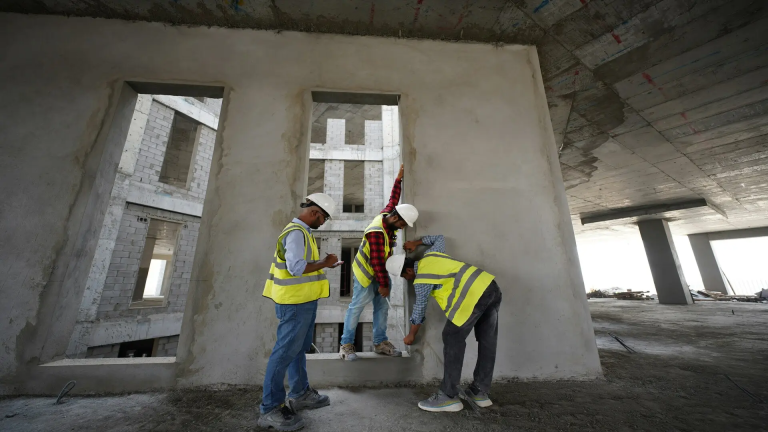


If you are planning to build something on your land, you might already have a good idea about what you want to build and where.
But before you build anything, you need to plan a lot many things like vehicle entry and exit, parking, site grading, rainwater drainage, utilities, etc. Also, you need to make sure these things are done as per your local code requirements.
And this is exactly where you need site development engineering where a civil engineer prepares your property for development. Here, the engineering work involves creating a workable site design that includes everything needed to build on your land.
In this blog, I have explained everything about site development plan, including what civil engineers really do here and when you need one in Houston.
Key takeaways
- Site development engineering prepares your property for a construction or development project.
- Civil engineers coordinate site layout, grading, drainage, utilities, access, parking, and other site improvements.
- A site development plan shows how the proposed improvements will fit together on the property.
- Early civil engineering work helps identify site constraints before they trigger expensive design or construction changes.
What is site development engineering?

Site development engineering is the civil engineering work that prepares your land for development. It includes everything from developing a land for commercial building to preparing it for multifamily housing and redeveloping a site which already has buildings and infrastructure.
Here, a civil engineer examines your land or property to determine how the proposed development can work there. And this involves a lot more work than simply drawing a site plan.
Overall, a site development engineer helps find answers to one important question: Can your property physically, practically, and legally support what you want to build?
Note: Site development is different from land development
Yes, that’s right.
Land development is a much broader concept that involves subdividing and entitling land. Site development, on the other hand, focuses specifically on designing site improvement needed to legally and practically develop a site.
We help you identify structural concerns, navigate code compliance, and evaluate site risks with clarity.

What does a civil engineer do during site development?
While the exact scope and process of work differs from project to project, a civil engineer in Houston first understands your property and then creates a site development plan. And they do so while taking into account the physical conditions and intended use of the property as well as local regulatory requirements.
Overall, here’s the process you can expect a site development engineer to follow at your property:
1. Examine the existing property
Before creating a site plan design, a civil engineer needs to have a clear idea about what is already there. And to that end, they review the property survey, topography, existing structures, property boundaries, easements, roads, utilities, drainage patterns, and all other site conditions.
Also, they coordinate with other professionals who might be working in the development phase such as surveyors, geotechnical engineers, or environmental consultants, to get a broader insight.
My take: If you are a civil engineer, I suggest you first assess the property thoroughly before you plan or design anything. That’s because even if you create the perfect site development plan, it won’t be workable if you didn’t account for existing elevations, drainage, utilities, or access.
2. Turn the project idea into a workable site plan
With a clear idea about site conditions, a civil engineer creates a physical layout in accordance with your development idea.
You get a property site plan showing where the building will be, how vehicles will enter and leave, where the parking will be, and how pedestrians will walk around.
Overall, here’s what your construction site plan might include:
- Driveways and internal circulation
- Fire access
- Parking and loading areas
- Sidewalks and pedestrian routes
- Required setbacks
- Open areas and landscaping
- Utility connections
- Easements and access requirements
3. Design grading and drainage
Grading is one of the most important components of site development engineering. Here, your civil engineer decides how finished elevations will work across the property so that buildings, parking areas, driveways, sidewalks, and drainage features can all fit together.
Also, the engineer will plan out drainage systems, including stormwater detention. That’s because the City of Houston calls for proper rainwater detention and control discharge from buildings. And before you build, you need to make sure your building’s drainage plan accounts for it.
4. Plan utilities and infrastructure
Depending on your project, the civil engineer will have to coordinate the layout and connections for water, sanitary sewer, storm drainage, and other utilities.
Here, utility corridors need to work with the building, parking, roads, grading, drainage structures, easements, and existing infrastructure. Also, the engineer will have to coordinate with the relevant utility providers or agencies to connect your property to their services.
Pro tip: Utility and infrastructure design is one of the most crucial reasons why you should hire a site development engineer before construction work starts. That’s because a utility conflict detected later during construction will be much harder and costly to fix than before construction.
5. Coordinate permitting and development requirements
Finally, the civil engineer helps turn the site development plan into documents that can be reviewed by the city department. These documents need to be complete and address all things parking, access, setbacks, landscaping, drainage, utilities, and other site improvements.
In Houston, the City of Houston Planning and Development Department does a review of these very areas, including parking, access, setbacks, landscaping, and others.
So, the engineer’s role here is much more than creating the design. It is them who help you create a design that can move through the applicable review process without hurdles.
What is included in a site development plan?

A site development plan is the drawing set that shows how the proposed development will sit on your property and how its different components will work together.
Although the exact requirements are different from every project, here’s what a typical construction site plan includes:
- Property boundaries and existing conditions
- Existing and proposed buildings
- Building setbacks
- Parking and vehicle circulation
- Driveways and site access
- Sidewalks and pedestrian routes
- Proposed grades and elevations
- Stormwater drainage features
- Water and sanitary sewer connections
- Utility infrastructure
- Easements and rights-of-way
- Landscaping and other required site improvements
Also, if it is a larger commercial project, the plan will be more detailed and include things such as customer parking, service vehicles, loading areas, fire access, and utilities.
When should you hire a site development engineer?
You should hire a site development engineer whenever you are making big changes to your property and those changes involve civil or site improvements.
Overall, here’s when you need to hire a civil engineer for site development:
- Developing an undeveloped parcel
- Building a new commercial property
- Developing multifamily housing
- Creating or modifying parking areas
- Constructing new driveways or access points
- Changing site grading or drainage
- Extending or connecting utilities
- Developing a subdivision
- Redeveloping an existing commercial property
- Making major improvements to an industrial site
Bonus: Here are a few things you should keep handy before hiring a site development engineer
| Have this ready | Why it helps |
| Property address | Helps establish the site’s location and applicable requirements |
| Proposed use | Tells the engineer what you want to build |
| Existing survey | Provides information about boundaries and existing conditions |
| Available utility information | Helps identify potential connection or capacity issues |
| Known drainage or flood concerns | Flags issues that may need early investigation |
| Project timeline | Helps determine design and permitting priorities |
Civil engineer’s tip: Don’t design your site in isolation
A site doesn’t exist by itself. You also have to look at how it connects to the street, neighboring properties, drainage patterns, utilities, and the surrounding terrain.
For instance, you need to see if a proposed driveway connects to the road, drainage is designed as per conditions beyond the property, and utility connections tie into existing infrastructure. This is where a lot of the practical site-development decisions come from.
This is important for site development engineering because even if a property looks perfect on drawing, you can find a lot of problems when you factor in the surrounding area.
We help you identify structural concerns, navigate code compliance, and evaluate site risks with clarity.
To sum it up
I am sure that you now have a good understanding of what site development engineering, what civil engineers really do here, and when you might need it for your own property.
And as you can see, this doesn’t just involve creating a drawing for a construction project. Instead, it is a detailed process where civil engineers figure out how the building, parking, access, grading, drainage, utilities, and other improvements can work together.
If you are planning a commercial, multifamily, industrial, or other development project in the Houston area, you will need a qualified civil engineer. They can help you detect potential issues and develop a fool-proof engineering plan to move forward without hurdles.
Got more questions or need a civil engineer in Houston?
You can get in touch with us!
At Bullseye Engineering Inspection, we provide civil engineering services for property development and site-related projects across the Greater Houston area. Our engineering services are backed by 35+ years of expertise and trusted by contractors, developers, and homeowners alike.
FAQs about site development engineering
What is site development engineering?
Site development engineering is the civil engineering process of preparing a property for a proposed development. It can include site layout, grading, drainage, utilities, parking, access, and other infrastructure needed to make the property workable for its intended use.
What does a site development engineer do?
A site development engineer studies existing site conditions and develops plans for improvements such as buildings, parking, access, grading, drainage, utilities, and other infrastructure. The engineer might also coordinate permitting and work with surveyors, architects, geotechnical engineers, contractors, and reviewing agencies.
What is included in a site development plan?
A site development plan shows property boundaries, existing and proposed buildings, parking, driveways, sidewalks, grading, drainage, utilities, easements, setbacks, landscaping, and other proposed improvements.
Do I need a civil engineer for a site plan?
It depends on your project and local requirements. A simple site plan might not require the same level of engineering as a commercial development involving grading, drainage, utilities, access, or other infrastructure.
But whenever professional engineering is needed, it is the civil engineer who prepares or oversees the applicable engineering plans.
You might also want to read: How Much Does Civil Engineering Cost In Texas?