
For those of you who’re buying, leasing, investing in commercial property, one of the biggest questions you probably have is: How much does a commercial building inspection cost?
After all, commercial properties are a major investment and you don’t want to get this wrong.
But let me tell you inspection costs can vary a lot depending on the size and complexity of the building.
For instance, one commercial property inspection company might quote you $1,200, while another might estimate $7,000 or more for what seems like a similar property.
So, what’s actually normal?
The short answer is: Most commercial building inspections in Texas cost somewhere between $1,000 and $10,000+.
Here, smaller commercial properties might cost around $1,000-$2,500 to inspect, while larger or more complex buildings can easily exceed $15,000 depending on the extent of work.
In this blog, I will explain it all. You’ll know:
- The average commercial building inspection cost in Texas
- Commercial property inspection cost by building type
- How building inspectors like myself calculate pricing
- What affects the final cost
- What’s included in a commercial property inspection
So, let’s get into it.
Key takeaways
- Most commercial building inspections in Texas cost between $1,000-$10,000+
- Smaller commercial property inspection projects cost around $1,000-$2,500
- Large industrial or multi-building inspections can exceed $15,000
- Commercial inspection cost is usually based on square footage, complexity, and inspection scope
- Older buildings generally cost more to inspect
- HVAC systems, roofing, foundations, and electrical systems heavily affect pricing
- ASTM Property Condition Assessments (PCA) usually cost more because of detailed reporting requirements
- Multi-tenant buildings and industrial facilities require more extensive inspections
- Additional services like sewer scopes, environmental testing, or roof inspections can increase the total cost significantly
What is a commercial building inspection?
Before we talk more about inspection, let’s quickly understand what is a commercial building inspection.
A lot of people assume a commercial inspection is similar to a basic residential home inspection. But commercial building inspections are usually much more detailed and complex.
In many cases, a commercial property inspection is performed during a real estate transaction, lease agreement, investment due diligence process, or property management evaluation.
Here, the goal is to identify structural problems, safety concerns, deferred maintenance, system failures, and expensive repair risks before purchase or lease agreements move forward
A professional commercial building inspection might include:
- Structural evaluation
- Roof inspection
- HVAC system inspection
- Electrical system evaluation
- Plumbing inspection
- Foundation assessment
- Exterior and parking lot inspection
- Interior systems and safety review
- Moisture intrusion evaluation
- Building envelope assessment
- Detailed inspection reporting
Now, depending on the property type, inspections can take several hours. Also, larger commercial inspections can even take several days to complete.
We help you identify structural concerns, navigate code compliance, and evaluate site risks with clarity.

How much does a commercial building inspection cost in Texas exactly?
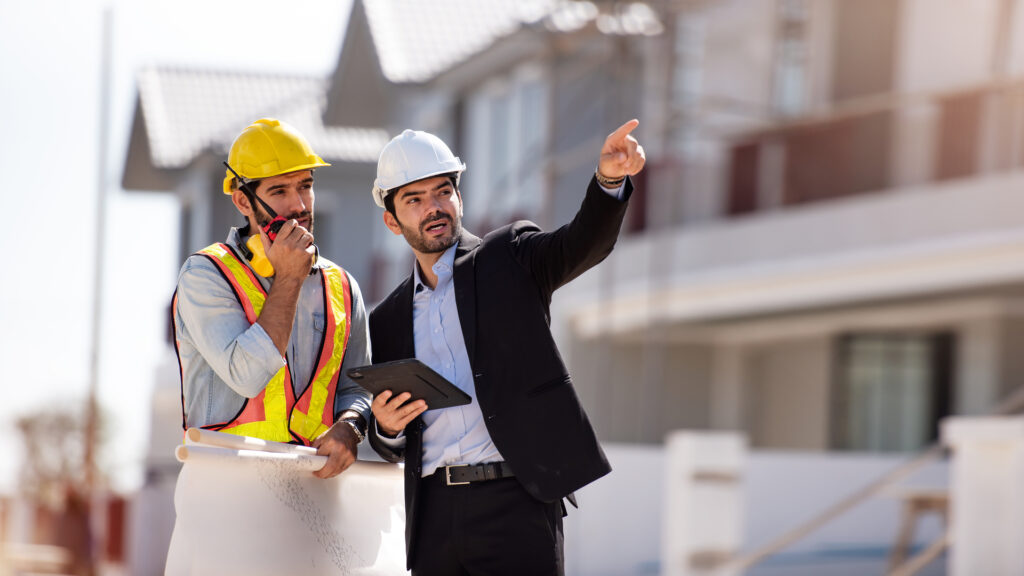
In Texas, most commercial building inspections cost anywhere between $1,000 and $10,000 or more.
However, the average commercial property inspection cost for many standard properties falls between $2,500 and $6,000.
The final cost depends mostly on the property’s size, complexity, age, systems involved, accessibility, and the depth of reporting required.
For instance, inspecting a small retail storefront is very different from inspecting a large industrial warehouse or multi-story office building.
Also, you’ll find the cost to be much higher than a structural engineer inspection cost, mainly because commercial inspections are more complex and labor intensive.
Here’s a general commercial inspection cost breakdown to give you a better idea:
1. Small commercial buildings: $1,000-$2,500
Smaller commercial properties are usually the least expensive to inspect. This includes small offices, retail stores, restaurants, salons, or standalone commercial units.
Since these buildings are smaller and have fewer systems involved, inspections are quicker and less labor-intensive.
2. Mid-size commercial properties: $2,500-$6,000
Mid-size buildings usually involve more complex systems and larger inspection areas. This includes medical offices, shopping plazas, mixed-use buildings, multi-tenant offices, or medium-sized warehouses.
Here, inspectors spend significantly more time evaluating roofing systems, electrical panels, HVAC units, parking lots, and tenant spaces. As a result, the commercial building inspection cost increases.
3. Large commercial buildings: $5,000-$15,000+
Large commercial properties need far more extensive inspections. This includes industrial facilities, manufacturing buildings, apartment complexes, hotels, large office buildings, distribution centers, etc.
Here, inspections involve multiple inspectors, specialized equipment, longer reporting times, roof evaluations, mechanical system reviews, and advanced due diligence reporting.
And because of the scale involved, commercial property inspection costs can easily exceed $15,000 for larger properties.
4. ASTM property condition assessments (PCA): $3,000-$15,000+
Some commercial real estate transactions require ASTM property condition assessments.
These are more formal and detailed than standard inspections. Here, inspectors evaluate immediate repair needs, short-term capital expenses, long-term building deficiencies, and reserve recommendations.
Since these inspections follow industry standards and involve extensive documentation, ASTM commercial inspection costs are usually higher than standard commercial inspections.
In short, here’s how much commercial building inspection costs in Texas:
| Commercial Property Type | Average Cost |
| Small commercial buildings | $1,000-$2,500 |
| Mid-size commercial properties | $2,500-$6,000 |
| Large commercial buildings | $5,000-$15,000+ |
| ASTM PCA inspections | $3,000-$15,000+ |
How much does commercial property inspection cost by square footage?
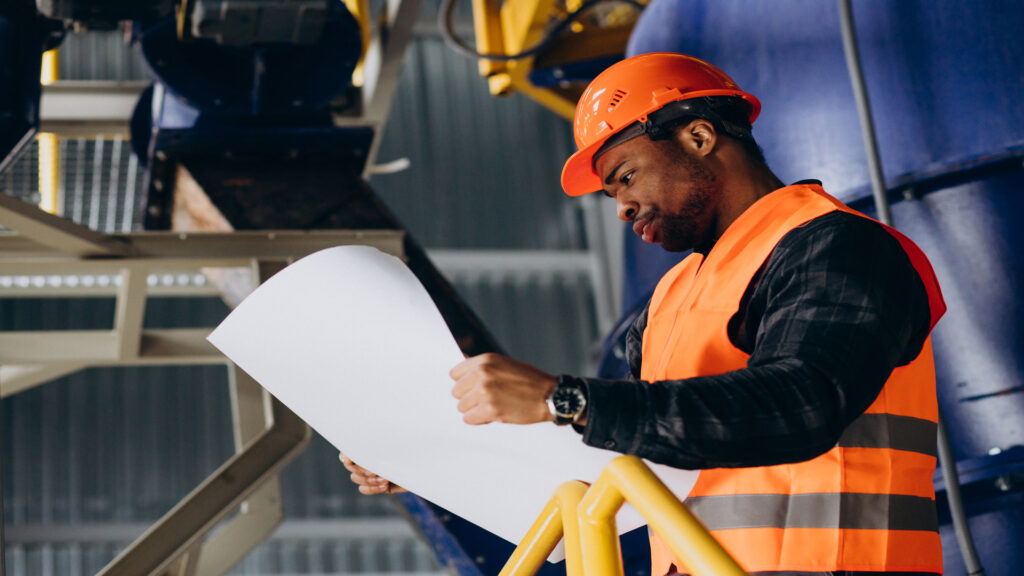
A common way inspectors price commercial building inspections is by square footage.
This is especially common for warehouses, office buildings, shopping centers, industrial facilities, and large multi-tenant properties.
In this case, inspectors calculate pricing using a per-square-foot rate combined with building complexity and system evaluations.
Here’s a general building inspection cost breakdown by property size:
1. Under 5,000 sq. ft.: $1,000-$2,500
Smaller commercial buildings are usually the most affordable to inspect.
Here, the inspection area is smaller and there are fewer systems involved. As a result, the inspection costs stay on the lower end.
2. 5,000-10,000 sq. ft.: $2,500-$5,000
At this size, inspections become more involved.
Buildings in this range often contain multiple HVAC systems, larger electrical setups, additional plumbing, roof drainage systems, and multiple tenant areas.
This increases both inspection time and reporting complexity, and thus, the final commercial property inspection cost.
3. 10,000-25,000 sq. ft.: $5,000-$10,000
Commercial inspections in this range are usually considered large-scale projects.
Here, inspectors often spend a full day or longer onsite. Also, the building inspection report itself becomes significantly more detailed.
That’s why building inspection costs rise quickly for larger commercial properties.
4. 25,000+ sq. ft.: $10,000-$20,000+
Very large commercial properties typically require extensive due diligence inspections.
Large apartment complexes, manufacturing facilities, hotels, and distribution centers often fall into this category.
And since inspections can take several days to complete, the cost of building inspection increases substantially depending on the scope of work.
In short, here’s how much commercial inspection cost varies by building size:
| Building Size | Typical Cost Range |
| Under 5,000 sq. ft. | $1,000-$2,500 |
| 5,000-10,000 sq. ft. | $2,500-$5,000 |
| 10,000-25,000 sq. ft. | $5,000-$10,000 |
| 25,000+ sq. ft. | $10,000-$20,000+ |
Bonus: Here’s commercial property inspection cost in Texas by building type
| Property Type | Average Cost Range |
| Office buildings | $2,000-$8,000 |
| Retail centers | $3,000-$10,000+ |
| Warehouses & industrial buildings | $5,000-$15,000+ |
| Apartment complexes | $5,000-$20,000+ |
| Restaurants & hospitality | $3,000-$12,000+ |
Why does commercial building inspection cost vary so much?

One thing you might have noticed is how different commercial building inspection quotes can be.
For instance, one building inspector might quote $2,000, while another estimates $8,000 for what appears to be a similar property.
But the truth is, commercial inspection pricing depends on several major factors including building complexity, accessibility, inspection scope, reporting requirements, and the systems involved.
Here are the biggest reasons why commercial building inspection cost varies so much:
1. Building size
This is usually the biggest pricing factor.
A small standalone office building is much easier to inspect than a 50,000-square-foot industrial facility.
That’s because larger properties naturally require more inspection time, extensive documentation, system evaluations, and detailed reporting.
This is why commercial property inspection costs increase fairly quickly.
2. Building age
Older commercial buildings often cost more to inspect. That’s because aging properties have:
- Outdated electrical systems
- Older roofing materials
- Aging HVAC equipment
- Plumbing deterioration
- Structural settlement
- Or deferred maintenance issues
Also, inspectors generally spend more time inspecting older systems because the risk of expensive repairs is higher.
Not to mention, older commercial buildings also involve renovation history, code concerns, or previous repairs that require closer review.
3. Type of commercial property
Not all commercial buildings are equally complex. For instance:
- A small office building is relatively simple
- A warehouse might involve large roofing systems
- Restaurants have grease exhaust systems and specialized plumbing
- Medical facilities often contain advanced mechanical systems
- Industrial buildings might require specialized evaluations
To put it simply, the more complicated the property, the higher the commercial inspection cost becomes.
4. HVAC systems
HVAC systems play a huge role in commercial inspection pricing. And this is one area where costs can rise quickly.
Why?
Commercial properties often contain rooftop HVAC units, multiple zoning systems, cooling towers, large ventilation systems, and industrial mechanical equipment. And inspecting these systems properly takes time and expertise.
5. Roof accessibility and condition
Commercial roofing systems are very different from residential roofs. This is especially true for Texas commercial properties that have:
- Flat roofing systems
- TPO roofing
- Modified bitumen roofs
- Metal roofing systems
- Roof drainage systems
- Rooftop equipment installations
Here, inspections are more complex because access is difficult, safety equipment is needed, the roof is likely aging, and water intrusion is suspected.
6. Inspection report requirements
Some clients only want a basic commercial property inspection report, and that’s easy. But then others require highly detailed due diligence documentation for lenders, investors, insurance purposes, or commercial real estate transactions
Naturally, more extensive reporting increases the total building inspection report cost.
7. Additional inspection services
In many cases, buyers request additional services beyond a standard commercial inspection.
This can include:
- Sewer scope inspections
- Mold inspection
- Thermal imaging
- Environmental assessments
- Roof certifications
- Elevator inspections
- Drone inspections
- Or structural engineering evaluations
These add-on services can significantly increase the final commercial real estate inspection cost.
What’s included in a commercial property inspection?
Before hiring an inspector, many buyers want to know what they’re actually paying for.
And this is a smart question to ask.
That’s because commercial building inspections involve much more than simply walking through the property.
A professional commercial property inspection is designed to identify safety issues, major repair concerns, deferred maintenance, structural deficiencies, and expensive future risks.
Now, the exact scope varies depending on the property and inspection agreement. But most commercial building inspections typically include:
1. Structural evaluation
Inspectors evaluate major structural components including foundations, framing, support systems, exterior walls, and visible structural movement.
In Texas, foundation movement is a major concern because shifting soil conditions can create structural issues over time.
2. Roofing inspection
Commercial roofing systems are carefully evaluated for leaks, drainage problems, ponding water, membrane damage, flashing issues, and overall roof condition.
Since roof replacement costs on commercial buildings can be extremely expensive, this is often one of the most important parts of the inspection.
3. HVAC system inspection
Commercial HVAC systems are usually much larger and more complex than residential systems.
Here, inspectors evaluate rooftop units, ventilation systems, cooling systems, ductwork, thermostats, and visible mechanical components. The goal is to identify aging equipment, poor performance, or major repair risks.
4. Electrical system evaluation
Commercial electrical systems are inspected for panel conditions, wiring concerns. grounding issues, overloaded circuits, safety hazards, and code-related concerns.
Larger commercial buildings often contain extensive electrical infrastructure, so this part of the inspection can become fairly detailed.
5. Plumbing inspection
Inspectors also evaluate water supply systems, drainage systems, water heaters, visible leaks, plumbing fixtures, and overall plumbing condition.
This is especially true for older commercial properties where plumbing deficiencies can become a major expense later.
6. Exterior inspection
This includes evaluation of:
- Parking lots
- Sidewalks
- Drainage grading
- Exterior walls
- Landscaping impact
- Retaining walls
- And accessibility concerns
Site conditions are important because exterior repairs on commercial properties can become costly very quickly.
7. Interior inspection
Inspectors also review the following interior areas:
- Ceilings
- Flooring
- Walls
- Doors
- Windows
- Stairways
- Tenant areas
- And visible moisture damage
Here, the purpose is to identify both safety concerns and maintenance issues throughout the building.
8. Detailed inspection report
After the inspection is completed, clients receive a detailed inspection report outlining:
- Observed deficiencies
- Maintenance concerns
- Repair recommendations
- Photos
- System summaries
- And major findings
Some reports are fairly basic while others are extremely detailed, especially for commercial real estate transactions or investor due diligence purposes.
Bonus: Here are some red flags to watch for while hiring a commercial building inspection company
| Red Flag | What It Means | Why It’s a Problem |
| Extremely cheap pricing | Very low inspection quotes | Important systems might get skipped or rushed |
| No sample inspection report | Lack of reporting transparency | You might receive vague or incomplete findings |
| Very short inspection times | Limited evaluation process | Major issues can easily get missed |
| No commercial inspection experience | Mostly residential-only background | Commercial systems are far more complex |
| No insurance or credentials | Missing professional coverage | Higher liability and quality risks |
| One-size-fits-all pricing | No customization based on property | Might not reflect actual inspection scope |
| No discussion about scope | Unclear expectations | Important systems might be excluded |
We help you identify structural concerns, navigate code compliance, and evaluate site risks with clarity.
Conclusion
By now, you probably have a much clearer idea of commercial building inspection cost in Texas.
And as you can see, pricing can vary quite a bit depending on the size of the property, building type, inspection scope, system complexity, and reporting requirements.
Most commercial property inspections in Texas fall somewhere between $2,500 and $6,000 for standard projects.
Here, smaller inspections cost closer to $1,000, while large industrial facilities, apartment complexes, or ASTM property condition assessments can easily exceed $15,000 or more.
Got more questions or need a commercial property inspection in Texas?
You can get in touch with us.
At Bullseye Engineering Inspection, we provide detailed commercial building inspections, engineering evaluations, and property assessments throughout Texas.
Our team helps buyers, investors, property managers, and business owners better understand the condition of commercial properties before major decisions are made.
FAQs about commercial building inspection cost
How much does a commercial building inspection cost on average?
The average commercial building inspection cost usually falls between $2,500 and $6,000 for many standard commercial properties in Texas.
However, smaller buildings might cost closer to $1,000-$2,500, while large industrial facilities or multi-building inspections can exceed $15,000 depending on complexity and inspection scope.
How much does a commercial property inspection cost per square foot?
Some inspectors price commercial inspections based partly on square footage.
In many cases, pricing might range from roughly $0.10 to $0.40+ per square foot depending on:
- Building type
- Systems involved
- Accessibility
- And reporting requirements
Larger and more complex buildings usually have higher overall inspection costs.
What affects commercial inspection cost the most?
The biggest factors affecting commercial inspection cost include:
- Property size
- Building age
- HVAC complexity
- Roofing systems
- Structural concerns
- Accessibility
- And the level of reporting required
Additional services like environmental testing or sewer inspections can also increase pricing.
How long does a commercial building inspection take?
Most commercial building inspections take anywhere from several hours to multiple days depending on the property size and complexity.
Smaller buildings might only require half a day, while large industrial or multi-tenant properties often require much longer inspections and reporting time.
What’s included in a commercial property inspection?
A commercial property inspection typically includes evaluation of:
- Structural systems
- Roofing
- HVAC systems
- Electrical systems
- Plumbing
- Parking lots
- Exterior conditions
- And interior building components
Inspections also include a detailed inspection report with findings, photos, and recommendations.
Are commercial inspections different from residential inspections?
Yes, they are very different.
Commercial building inspections are usually much more complex because commercial properties involve:
- Larger structures
- More advanced systems
- Multiple tenant spaces
- Industrial equipment
- And extensive infrastructure
Commercial reports are also generally more detailed than residential inspection reports.
Is a commercial building inspection worth it?
In many cases, absolutely.
Commercial inspections help buyers identify expensive repair risks before purchasing or leasing a property.
Issues involving roofing, HVAC systems, foundations, structural movement, or electrical systems can become extremely expensive later if they go unnoticed.
What is an ASTM property condition assessment (PCA)?
An ASTM Property Condition Assessment is a more formal commercial inspection process commonly used during commercial real estate transactions.
These inspections follow industry standards and often include:
- Detailed building evaluations
- Immediate repair recommendations
- Capital reserve estimates
- And long-term maintenance considerations
ASTM PCA reports are usually more detailed and more expensive than standard commercial inspections.