
Have you ever walked into a room in your house and noticed a strange musty smell that just wouldn’t go away?
Or maybe you spotted a dark stain near the ceiling and thought it was just dirt or old water damage.
At first, it might not seem like a big deal.
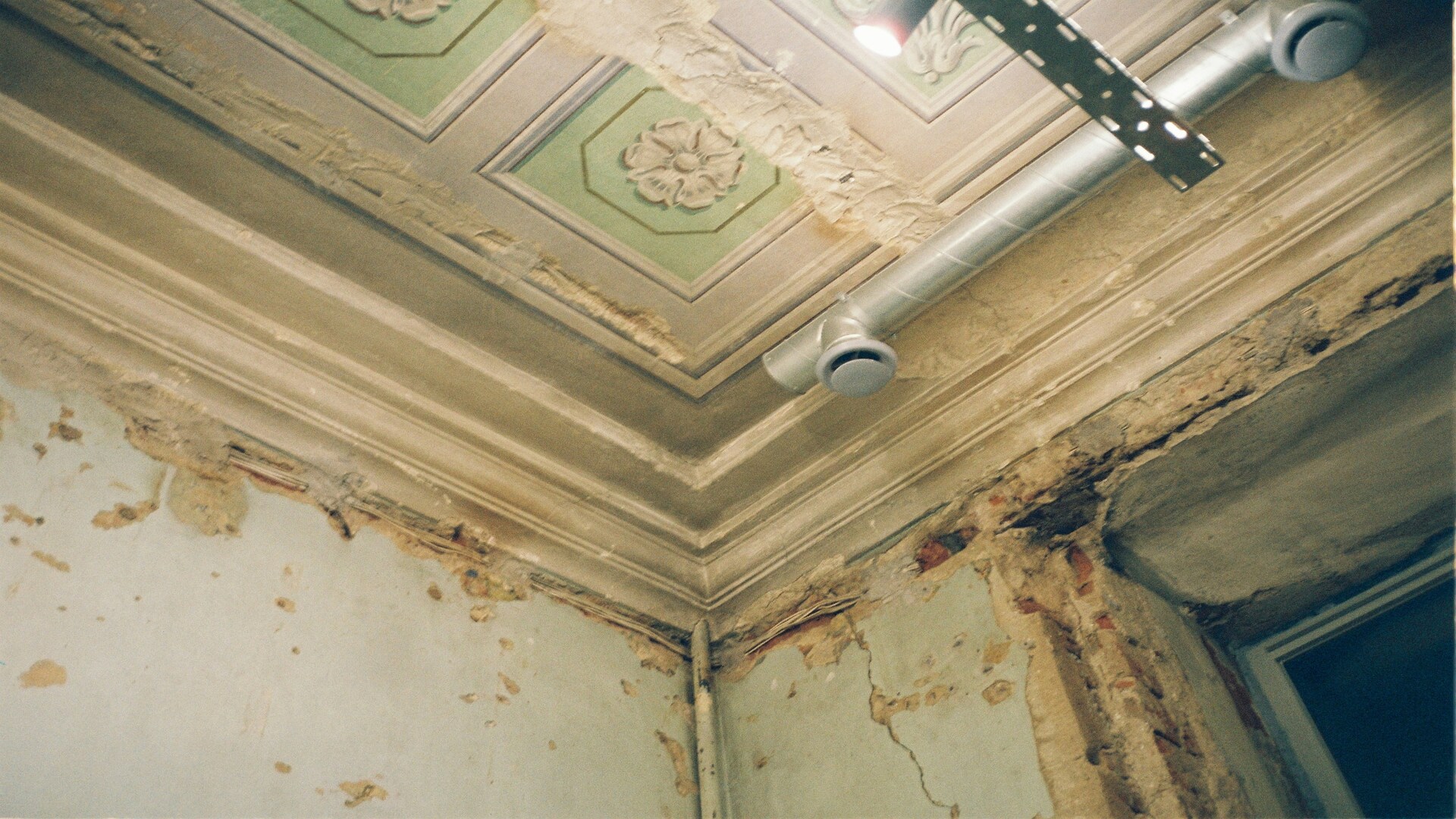
But sometimes, those small warning signs are actually pointing to something growing behind your walls, under flooring, or inside damp areas of your home.
And that something could be black mold.
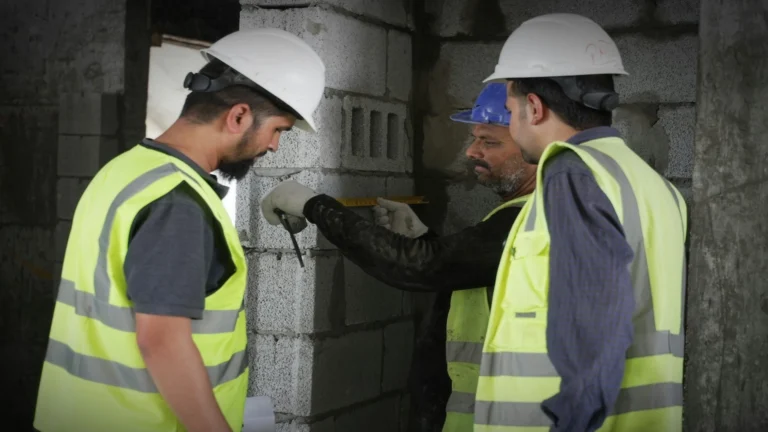
As a building inspection expert, I’ve seen many homeowners ignore early mold warning signs simply because they didn’t know what they were looking at.
In fact, hidden mold problems often go unnoticed for months before people finally realize something is wrong.
But here’s the truth: Black mold usually doesn’t appear out of nowhere. Most of the time, your house gives you warning signs long before the problem becomes serious.
In this blog, I’ll explain the most common signs of black mold in house, what causes mold growth in the first place, and when you should deal with it urgently.
So, let’s get into it.
Key takeaways
- A musty smell is often one of the earliest signs of hidden mold in house.
- Black mold commonly grows in damp, poorly ventilated areas.
- Water leaks and excess moisture are the biggest causes of indoor mold.
- Dark spots on walls, ceilings, or vents should never be ignored.
- Peeling paint or bubbling drywall can signal moisture trapped behind surfaces.
- Allergy-like symptoms that improve outside the home may point to mold exposure.
- The longer mold growth continues, the harder and more expensive it becomes to fix.
First off, not every dark spot in your house is black mold
Seeing black discoloration on a wall or ceiling can immediately make you panic.
And honestly, that reaction is understandable.
After all, black mold has developed a reputation for being dangerous and toxic. So much so that, according to reports, 7000 people have died because of illnesses caused by black mold.
But here’s something many people don’t realize: Not every dark stain is actually black mold. Sometimes it is just:
- Dirt buildup,
- Mildew,
- Soot,
- Old water staining,
- Or harmless surface discoloration.
At the same time, real mold problems are also commonly overlooked because they start small and hidden.
That’s why the real issue isn’t just whether something looks black. What matters is:
- Where it is appearing,
- Whether moisture is involved,
- If it keeps spreading,
- And whether your home is showing other warning signs too.
You see, mold growth almost always points to a moisture problem somewhere in the house. And if moisture continues unchecked, mold usually continues growing as well.
We help you identify structural concerns, navigate code compliance, and evaluate site risks with clarity.

Why does black mold grow inside a house in the first place?
Mold spores naturally exist almost everywhere, both indoors and outdoors.
In fact, mold itself isn’t unusual. The real problem starts when spores find the perfect environment to grow inside your home.
And unfortunately, many houses provide exactly that.
You see, mold loves three things, moisture, warmth, and organic material to feed on. This includes materials like drywall, wood, insulation, carpet, ceiling tiles, and even dust buildup.
Once moisture gets trapped in these materials, mold can begin growing surprisingly fast, sometimes within just 24 to 48 hours after water exposure.
This is why homes with leaks, poor ventilation, high humidity, or past water damage are much more likely to develop hidden mold problems.
And from my experience, homeowners don’t even realize moisture is building up until they get a mold inspection in Houston.
Bonus: Here are the most common causes of black mold growth inside homes
| Cause | What Happens | Risk Level |
| Water Leaks | Moisture stays trapped behind surfaces | High |
| Poor Ventilation | Humidity builds up indoors | Moderate to High |
| Flooding/Water Damage | Wet materials stay damp too long | High |
| High Humidity | Condensation supports mold growth | Moderate |
9 signs of black mold in house that need urgent remediation
Sign #1. There’s a persistent musty smell that won’t go away
One of the earliest and most common signs of black mold in a house is a strong musty odor. And a lot of homeowners describe it as earthy, damp, stale, or similar to wet cardboard.
You see, sometimes you smell mold long before you actually see it.
That’s because mold often grows in hidden areas like behind the drywall, under flooring, inside insulation, inside crawlspaces, or around HVAC systems. And even when surfaces look clean, the smell can still spread throughout the home.
So, a musty odor that keeps returning, especially in one specific room or area, usually means excess moisture is present somewhere. And where there’s ongoing moisture, mold often follows.
This is especially important if the smell gets stronger after rain, appears when the AC runs, or never fully disappears despite cleaning.
Sign #2. You notice dark spots or staining on walls, ceilings, or vents
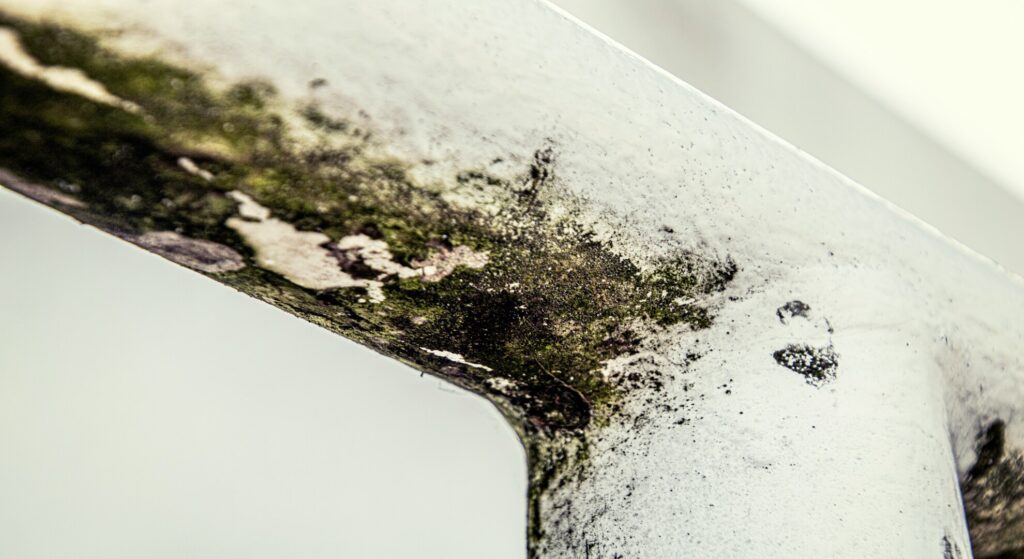
One of the more obvious signs of black mold in house is visible discoloration.
At first, these spots often look harmless. So homeowners assume they’re dirt, smoke stains, old water marks, or simple discoloration from age.
But mold growth usually starts as small specks before slowly spreading outward over time.
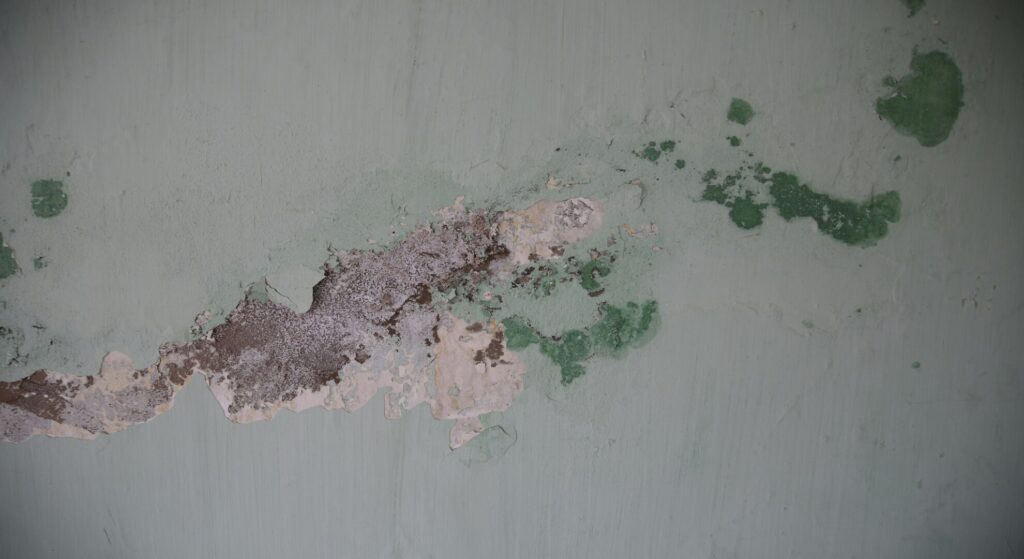
You might notice black or dark green spotting, circular stains, fuzzy-looking patches, or uneven discoloration around damp areas.
And these spots commonly appear near ceilings, around windows, inside bathrooms, under sinks, around vents, and along basement walls.
Also, here’s something important: Mold doesn’t always grow in large obvious patches. Sometimes the visible portion is actually small compared to what’s hidden behind the surface.
This is especially true if the area has experienced past water damage.
So if dark stains keep returning even after cleaning, or if the discoloration slowly spreads over time, there’s a good chance moisture is still present underneath.
Sign #3. Your paint is peeling, bubbling, or cracking
Paint problems are often one of the overlooked signs of hidden mold in house.
People think peeling paint is simply caused by age. But moisture trapped inside walls can slowly push paint away from the surface.
So, as moisture builds up underneath, you might notice:
- Bubbling paint,
- Cracking,
- Peeling sections,
- Warped drywall,
- Or soft spots in the wall.
And this happens because water changes the structure of the material underneath.
You see, drywall and wood naturally absorb moisture. Once they stay damp long enough, mold can begin growing behind the visible surface while the outer layer starts deteriorating.
Bathrooms are especially common problem areas because of steam, poor ventilation, and repeated moisture exposure.
But this can also happen near roof leaks, plumbing leaks, window frames, and exterior wall cracks.
Now, peeling paint alone doesn’t automatically mean mold. However, when paint damage appears together with musty smells, water stains, or humidity issues, mold becomes much more likely.
Note: If you notice cracks in walls or floors, this could be more than just moisture. A lot of times it is a sign of foundation problem, something that is serious.
Sign #4. You keep getting allergy-like symptoms indoors
Sometimes the biggest warning sign isn’t visible at all. It is how your body reacts inside the house.
For instance people living with mold notice mold exposure symptoms like sneezing, coughing, nasal congestion, itchy eyes, headaches, throat irritation, or skin irritation.
Here, one pattern shows up again and again: The symptoms often improve when the person leaves the house.
And that’s a major clue.
You see, mold spores can become airborne and circulate throughout indoor spaces, especially through HVAC systems.
And while not everyone reacts the same way, some people are much more sensitive to indoor mold exposure than others.
This is especially true for children, older adults, people with asthma, and those with allergies or respiratory conditions.
Now, this doesn’t mean every allergy symptom automatically points to black mold. But if symptoms consistently worsen inside certain rooms or parts of the home, it’s worth paying closer attention to possible moisture or mold issues nearby.
Sign #5. There are water stains on ceilings or walls
Water stains are one of the clearest signs that moisture has been present long enough to create mold risk. And unfortunately, many homeowners ignore them if the stain appears dry.
These stains often appear yellow, brown, copper-colored, or darker around the edges.
And you’ll commonly see them on ceilings below bathrooms near rooflines, around windows, or along basement walls.
In fact, this is something I’ve noticed even during new construction inspections, so don’t be surprised if your house is new and you find mold.
Now, once water repeatedly enters the same area, mold growth becomes much more likely. This is especially true if the stain keeps growing, the drywall feels soft, or the discoloration returns after rain.
In many homes, visible staining is only the surface symptom. And the real moisture problem might still be active behind the walls or above the ceiling.
Sign #6. Your floors are warping, buckling, or feeling unusually soft
Most homeowners don’t immediately connect flooring problems with mold. But moisture trapped underneath flooring materials creates the perfect conditions for hidden mold growth.
You see, excess moisture starts affecting the structure of the floor itself.
You might notice wood floors beginning to warp, laminate edges lifting upward, soft spots under carpet, tiles loosening, or sections of flooring that feel uneven when you walk across them.
And this usually happens because water is getting underneath the surface.
Now, mold often grows below the visible flooring where homeowners can’t easily see it. That’s why flooring damage combined with musty odors is often one of the strongest signs of hidden mold in house.
More so if the damage keeps spreading, the floor feels damp, or the area has a history of water exposure.
Sign #7. Condensation keeps forming around windows, vents, or walls
A little condensation once in a while is normal. But constant moisture buildup inside the home is not.
So, if you regularly notice water collecting on windows, HVAC vents, pipes, mirrors, or exterior walls, it usually means indoor humidity levels are too high. And excessive humidity creates the ideal environment for mold growth.
You see, mold doesn’t always need a major leak. Sometimes repeated condensation alone provides enough moisture for spores to grow over time.
And when moisture repeatedly forms on the same surfaces, mold often starts appearing nearby.
You might notice: dark spotting around window frames, discoloration near vents, or mildew smells in humid rooms.
Sign #8. Your HVAC system smells musty when it runs
If a musty odor suddenly appears every time your heating or cooling system turns on, there’s a good chance mold may be growing somewhere inside the HVAC system. And this is more common than many homeowners realize.
You see, HVAC systems naturally collect dust, moisture, and condensation. But when moisture sits inside ducts, drip pans, or insulation long enough, mold can begin spreading through the system.
Once that happens, the airflow can carry mold spores throughout different areas of the home.
You might notice:
- stale smells from vents,
- stronger odors when the AC starts,
- increased allergy symptoms indoors,
- or uneven humidity in certain rooms.
And unfortunately, mold inside HVAC systems often goes unnoticed for a long time because most of it stays hidden behind ductwork or inside equipment.
Sign #9. Mold keeps coming back after cleaning
This is one of the biggest warning signs homeowners overlook.
If mold or dark staining keeps returning after you clean it, there’s usually a deeper moisture problem still active somewhere.
And that’s critical because surface cleaning only removes what’s visible. But if moisture remains trapped behind walls, under flooring, or inside materials, mold often comes right back.
This commonly happens when homeowners:
- wipe away visible mold,
- repaint over stains,
- or use bleach without fixing the moisture source itself.
At first, the problem might seem gone. Then a few weeks or months later, the discoloration returns.
In short, here are the most common signs of black mold in house:
| Warning Sign | What It Often Means | Level Of Concern |
| Persistent musty smell | Hidden moisture or mold growth | Moderate to High |
| Dark spots or staining | Active mold growth | Moderate to High |
| Peeling paint or bubbling walls | Moisture trapped behind surfaces | Moderate |
| Allergy-like symptoms indoors | Possible airborne mold spores | Moderate |
| Water stains | Past or active moisture intrusion | Moderate to High |
| Warped or soft flooring | Hidden moisture underneath | Moderate |
| Constant condensation | High indoor humidity | Moderate |
| Musty HVAC smells | Mold inside ducts or vents | High |
| Mold returning after cleaning | Unresolved moisture problem | High |
Bonus: Here’s when mold problems become a serious concern
| Warning Sign | What It Could Mean |
| Mold keeps spreading | Ongoing moisture issue |
| Strong odors without visible mold | Hidden mold growth |
| Health symptoms indoors | Possible air quality issue |
| Past flooding or leaks | Moisture trapped inside materials |
| Structural damage appearing | Long-term moisture deterioration |
Can black mold in house be fixed?
Yes, in many cases, mold problems can absolutely be fixed.
But here’s something you should understand: Simply cleaning visible mold usually isn’t enough.
The real solution is finding and correcting the moisture problem that allowed the mold to grow in the first place. Otherwise, the issue often comes back again later.
Now, for small surface-level mold, the fix might involve improving ventilation, reducing indoor humidity, repairing leaks, and properly cleaning affected surfaces.
But larger or hidden mold problems are often more complicated. Especially when mold has spread behind drywall, flooring, insulation, or HVAC systems.
In those situations, professional inspection is essential because the visible mold may only represent part of the total damage.
We help you identify structural concerns, navigate code compliance, and evaluate site risks with clarity.
Final words
As you can see, black mold problems rarely appear overnight. And most of the time, your house gives you warning signs first. This includes:
- A musty smell that never goes away
- Dark spots slowly spreading across a ceiling
- Paint bubbling for no clear reason
- Floors starting to warp
All of these signs are often your home’s way of telling you that moisture is building up somewhere it shouldn’t.
And while not every sign automatically points to a major mold problem, ignoring ongoing moisture issues almost always makes things worse over time.
So, the earlier you identify the cause, the easier and less expensive the solution usually becomes.
Got more questions or need a professional mold inspection?
You can get in touch with us.
At Bullseye Engineering Inspection, we help homeowners identify hidden moisture, structural concerns, and indoor issues before they turn into larger and more costly problems.
FAQs about signs of black mold in house
What are the earliest signs of black mold in house?
One of the earliest signs is usually a persistent musty smell that doesn’t go away.
Many homeowners notice the odor before they ever see visible mold growth.
You might also notice:
- small dark spots,
- increased humidity,
- condensation,
- or mild allergy-like symptoms indoors.
These early warning signs often appear before mold becomes widespread.
Are signs of black mold in a house always visible?
No, not always.
In fact, hidden mold is very common.
Mold can grow behind drywall, under flooring, inside insulation, or inside HVAC systems where homeowners cannot easily see it.
That’s why smells, moisture problems, and recurring symptoms are often important clues even when no visible mold appears.
What does black mold smell like?
Most people describe mold odor as:
- musty,
- earthy,
- damp,
- or similar to wet cardboard.
The smell often becomes stronger in humid conditions or when the HVAC system is running.
And if the odor keeps returning despite cleaning, it may point to hidden mold growth somewhere inside the home.
Can mold in a house affect your health?
Yes, it can affect some people more than others.
Common symptoms associated with mold exposure may include:
- coughing,
- sneezing,
- congestion,
- headaches,
- throat irritation,
- or worsening allergy symptoms.
People with asthma, allergies, or respiratory conditions are often more sensitive to indoor mold exposure.
Is black mold always dangerous?
Not every dark-colored mold is considered highly toxic.
However, any significant mold growth inside a home should be taken seriously because it usually points to excess moisture and poor indoor air quality.
The larger issue is often the moisture damage happening alongside the mold itself.
How do you know if mold is hidden behind walls?
Some common signs of hidden mold in house include:
- musty smells,
- peeling paint,
- soft drywall,
- warped flooring,
- recurring water stains,
- or symptoms that worsen in certain rooms.
Professional inspections are often needed to confirm hidden mold growth because much of it develops out of sight.
When should I call a professional for mold inspection?
You should consider professional inspection if:
- mold keeps returning,
- the affected area is growing,
- strong odors persist,
- health symptoms worsen indoors,
- or the home has experienced leaks or flooding before.
Early inspection can often help prevent larger structural and moisture problems later