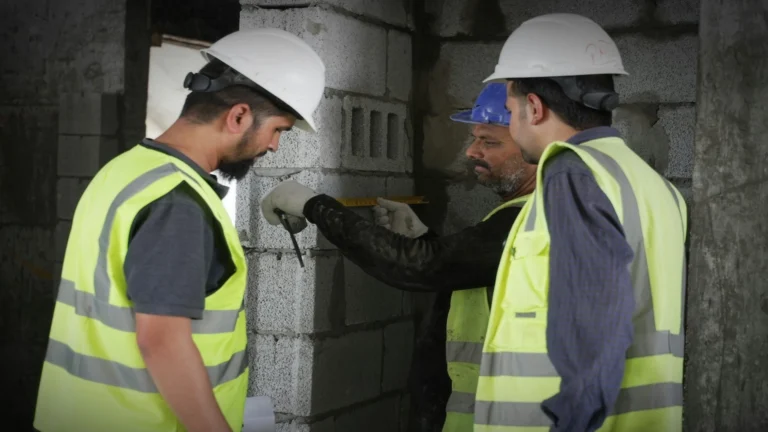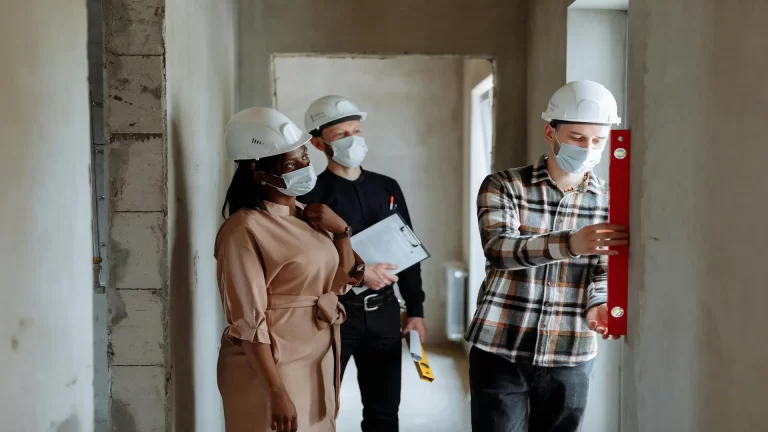

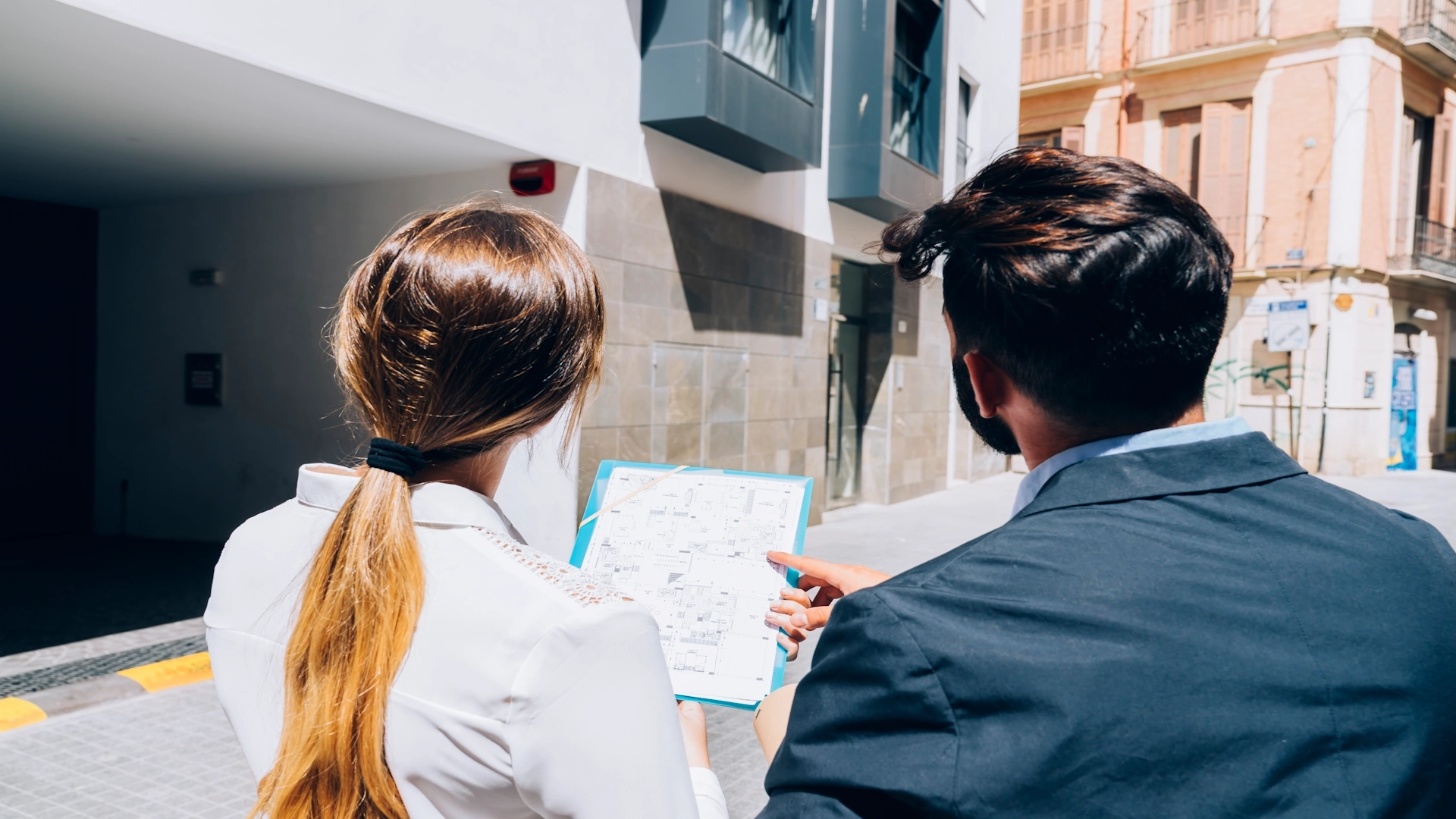
One of the most important things you need to do as a landlord, property manager, or real estate investor in Texas is regularly inspect your rental property.
After all, rental properties experience a lot of wear and tear. And even if small issues go unnoticed, they can quickly turn into expensive repairs, affecting both your property’s value and your tenant’s experience.
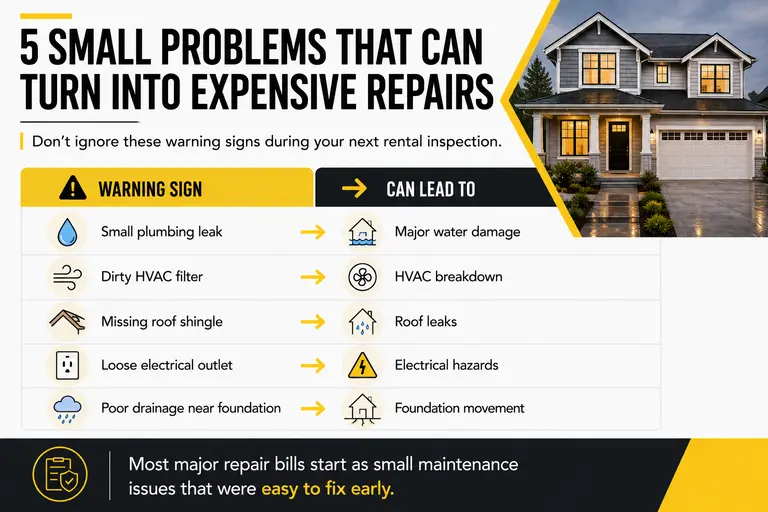
For instance, a small plumbing leak can eventually lead to water damage, mold growth, or costly structural repairs. Similarly, a neglected HVAC system might struggle during Texas summers and cause way higher maintenance costs.
This is where a rental property inspection checklist becomes important for fool-proof inspection. A proper inspection checklist doesn’t just help you identify problems, but it also helps you document them, plan repairs, and ensure your property stays in good shape for years.
Now, I am sure you’re curious what an inspection list for rental property includes. So, read on to know:
- What a rental property inspection checklist includes
- The different types of rental property inspections
- The most important areas landlords should inspect
- Common problems found during inspections
And much more.
Key takeaways
- A rental property inspection checklist helps landlords identify maintenance issues before they become costly repairs.
- Routine inspections improve tenant safety while helping preserve the property’s long-term value.
- Most rental inspections include the exterior, roof, HVAC, plumbing, electrical, interior rooms, and safety devices.
- Texas landlords should pay close attention to foundation movement, roof damage, drainage, and HVAC performance given the state’s climate.
- Move-in, routine, move-out, and annual inspections all serve different purposes throughout the lease period.
What is a rental property inspection checklist?
A rental property inspection checklist is a detailed list of systems, components, and areas that landlords or third party inspectors evaluate during a rental property inspection.
The goal is simple: Identify maintenance issues, safety concerns, property damage, and signs of deferred repairs before they become bigger and more expensive problems.
Now, depending on the type of property, the inspection checklist can vary slightly.
For instance, a single-family rental house inspection checklist might place greater emphasis on the roof, foundation, yard drainage, and exterior walls.
On the other hand, an annual apartment inspection checklist will focus more on interior spaces, plumbing fixtures, HVAC performance, and shared building areas.
However, a standard rental inspection checklist for landlords typically includes the following:
- Exterior condition
- Roofing system
- Doors and windows
- HVAC system
- Plumbing system
- Electrical system
- Interior rooms
- Smoke and carbon monoxide detectors
- Safety features
- Signs of water damage or deferred maintenance
We help you identify structural concerns, navigate code compliance, and evaluate site risks with clarity.

What are the different types of rental property inspections?
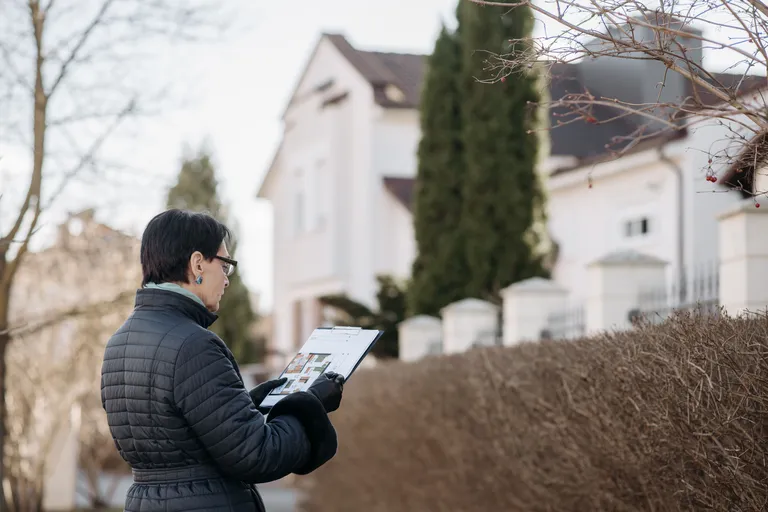
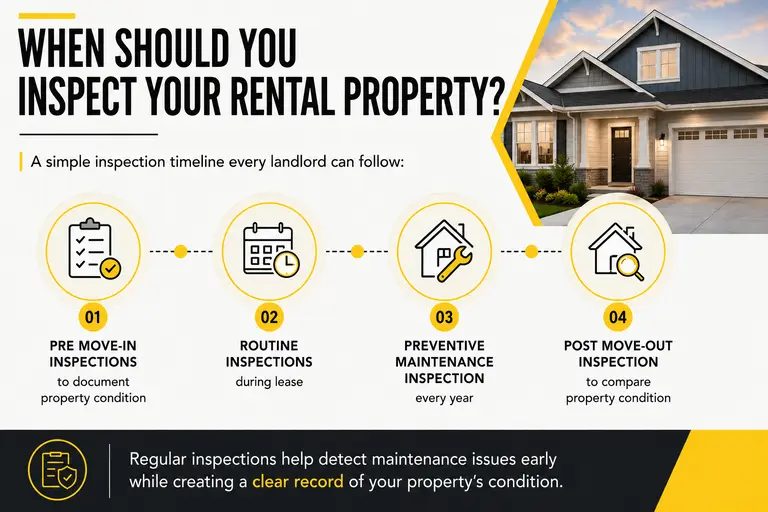
Landlords inspect their properties at different stages of a tenancy. And each inspection helps answer a different question about the property’s condition.
Here are the most common types of rental property inspections:
1. Move-in inspection
A move-in inspection is completed before a new tenant takes possession of the property.
Here, the idea is to document the property’s current condition before anyone moves in. This gives both the landlord and tenant a clear record of any existing damage, cosmetic wear, or maintenance concerns.
Having this documentation can help prevent landlord tenant disputes when the lease ends.
2. Routine inspection
Routine inspections are conducted while the tenant is living in the property. These inspections help landlords identify maintenance issues before they become major repairs.
For instance, you might find a slow plumbing leak, damaged weather stripping around windows, an HVAC filter that needs replacement, or even early signs of black mold. Fixing these smaller issues early can often save significant repair costs down the road.
Note: If the property is occupied, landlords should always provide proper notice before entering the home in accordance with the lease agreement and applicable Texas laws.
3. Move-out inspection
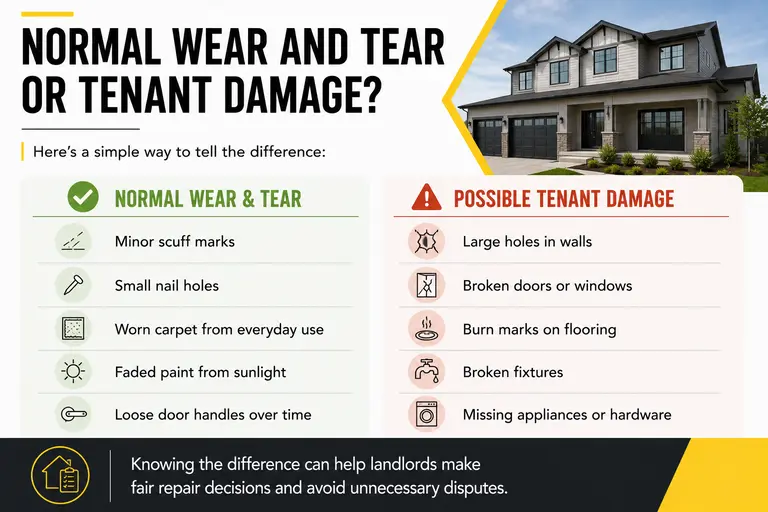
A move-out inspection is performed after a tenant vacates the property. Here, landlords compare the property’s current condition with the documentation collected during the move-in inspection.
This makes it easier to distinguish between normal wear and tear and damage that might require repairs before the next tenant moves in.
4. Annual inspections
Many landlords also schedule an annual inspection as per standard yearly rental inspection checklist even when there aren’t any obvious maintenance concerns.
These inspections are more preventive than reactive. They provide an opportunity to evaluate major building systems, identify aging components, and plan maintenance before small issues grow into expensive repairs.
5. Drive-by inspections
Drive-by inspections are simple visual inspections of the property’s exterior.
These inspections don’t involve entering the home. And they are used to monitor the property’s overall appearance, identify obvious exterior damage, and ensure the home is being properly maintained from the outside.
While they don’t replace a proper property inspection, they do help landlords spot issues that deserve a closer look later.
Here’s what a standard Texas rental property inspection checklist includes
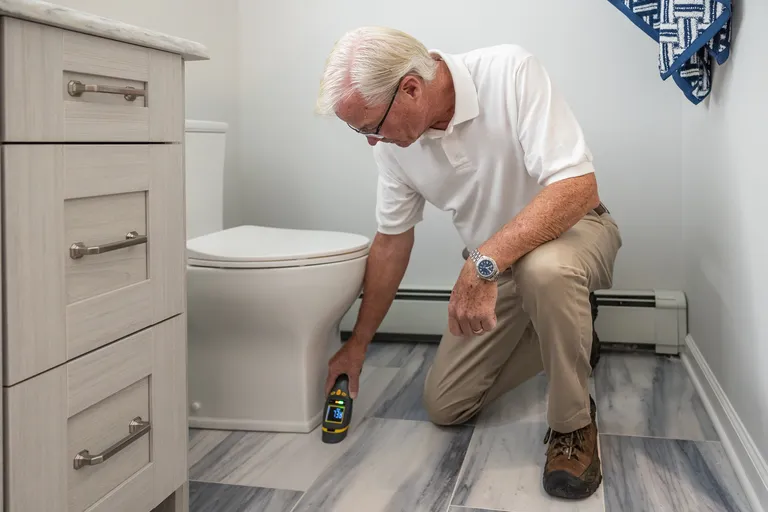
A thorough rental property inspection checklist covers far more than just your home’s appearance. It includes evaluation of every major system and identifies maintenance issues before they turn into larger and more expensive repairs.
While the exact scope of inspection varies depending on the property, most landlords follow a similar checklist during inspections.
Here are the major areas that are included in an inspection list for rental property:
1. Exterior inspection
The exterior is often the first place where signs of damage begin to appear. That’s because Texas properties are constantly exposed to intense sunlight, heavy rain, hailstorms, and changing weather conditions throughout the year.
So, during the inspection, landlords or inspectors typically check:
- Exterior walls
- Siding and brickwork
- Foundation cracks
- Driveways and walkways
- Fencing and gates
- Decks and patios
- Exterior lighting
- Drainage around the property
- Landscaping that might affect the structure
Inspectors also look for signs of foundation problems, poor grading, or standing water around the home. These issues are common in Texas and they can eventually lead to more serious structural concerns if left unaddressed.
2. Roofing system
The roof is one of the most important items on any rental house inspection checklist. That’s because even a small roofing issue can allow water to enter the home and cause damage that’s far more expensive than the original repair.
A typical roof inspection includes checking:
- Roofing materials
- Missing or damaged shingles
- Flashing around roof penetrations
- Gutters and downspouts
- Signs of roof leaks
- Water stains
- Storm or hail damage
- Roof drainage
3. Doors and windows
Doors and windows play a much bigger role than many landlords realize.
Besides providing security, doors and windows also help improve energy efficiency, keep out moisture, and allow the HVAC system to operate more efficiently.
That’s why, this part of the property inspection checklist includes the following:
- Door operation
- Locks and deadbolts
- Window operation
- Broken glass
- Weather stripping
- Window screens
- Signs of water intrusion
- Damaged seals
Here, inspectors also check whether doors and windows open and close properly, as sticking windows or misaligned doors can sometimes indicate foundation movement.
4. Plumbing system
Plumbing problems are among the most common issues found during a home inspection for rental property. Even minor problems are a concern here because they can eventually lead to water damage, mold growth, or expensive repairs.
So, during the inspection, professionals thoroughly check:
- Faucets and fixtures
- Toilets
- Sinks
- Water supply lines
- Drainage
- Water pressure
- Visible plumbing leaks
- Water heater
- Signs of moisture damage
Water stains under sinks, slow drains, and leaking fixtures are some of the most common problems found during routine rental inspections.
5. HVAC system
Texas summers can put a tremendous amount of strain on heating and cooling equipment. That’s why the HVAC system gets special attention during any landlord checklist for inspection.
Here, landlords or inspectors generally evaluate:
- Heating and cooling operation
- Thermostat function
- Airflow
- Air filters
- Visible ductwork
- Condensate drain lines
- Signs of rust or corrosion
- General equipment condition
Note: Inspectors aren’t performing a full HVAC service here. Instead, they’re looking for visible deficiencies, maintenance concerns, and signs that the system might require further evaluation.
6. Electrical system
Electrical systems evaluation is essential during a rental inspection. Here, apart from ensuring everything is working properly, landlords also want to identify potential safety concerns before they become hazards.
A standard electrical inspection includes assessing:
- Electrical panel
- Circuit breakers
- Light fixtures
- Electrical outlets
- GFCI outlets
- Switches
- Visible wiring
- Smoke detector power supply
- Signs of overheating
7. Interior inspection
Interior inspection focuses on the overall condition of the living spaces throughout your home.
Here are the areas evaluated during an interior inspection:
- Walls
- Ceilings
- Flooring
- Doors
- Cabinets
- Countertops
- Stairways
- Closets
- Bedrooms
- Bathrooms
- Kitchen
- Laundry area
8. Safety devices
Every rental property should include properly functioning safety devices.
While inspectors aren’t performing official safety code inspections, they still verify that these visible safety features appear to be present and in working condition. This typically includes:
- Smoke detectors
- Carbon monoxide detectors (where applicable)
- Fire extinguishers
- GFCI protection
- Handrails
- Guardrails
- Stair safety
- Emergency exits
- Exterior lighting
In short, here’s what a rental property inspection checklist includes:
| Inspection Area | What Landlords or Inspectors Typically Check |
| Exterior | Foundation, siding, drainage, walkways, landscaping |
| Roofing | Shingles, flashing, gutters, leaks, storm damage |
| Doors & windows | Locks, operation, seals, weather stripping |
| Plumbing | Pipes, fixtures, leaks, drainage, water heater |
| HVAC | Heating, cooling, airflow, filters, thermostat |
| Electrical | Panel, outlets, breakers, switches, GFCIs |
| Interior | Walls, ceilings, flooring, kitchen, bathrooms |
| Safety devices | Smoke detectors, handrails, lighting, fire safety |
Here are some common issues home inspectors find during rental inspections
If you’re a landlord, here’s something you should know: Professional inspections often uncover problems that aren’t immediately visible during day-to-day property management. And in many cases, these issues have been developing slowly over time.
Here are some of the most common red flags inspectors come across during a rental property inspection:
1. Water leaks and moisture damage
Inspectors often find water stains, leaking fixtures, damaged caulking, or moisture around sinks, tubs, and water heaters.
2. HVAC maintenance issues
Dirty air filters, blocked condensate drain lines, and aging HVAC equipment are common findings during rental inspections.
3. Roof and exterior damage
High winds, hail, and heavy rain can damage roofing materials, gutters, siding, and exterior trim. Routine inspections help identify these problems before they allow water to enter the home.
4. Electrical concerns
Inspectors also frequently come across loose outlets, damaged switches, missing GFCI protection, or outdated electrical components in older rental homes. While some of these issues are minor, others might require evaluation by a licensed electrician.
5. Deferred maintenance
Small repairs that are ignored over time often become much larger and more expensive projects. Regular inspections help landlords stay ahead of these issues instead of reacting after major damage has already occurred.
In short, here are some common inspection red flags inspectors detect:
| Common Issue | Why It’s a Concern |
| Water leaks | Can lead to mold and interior damage |
| HVAC maintenance issues | Reduced efficiency and higher repair costs |
| Roof damage | Might aresult in water intrusion |
| Electrical deficiencies | Potential safety hazards |
| Deferred maintenance | Small problems become expensive repairs |
Bonus: Here are some common mistakes landlords make during rental inspections
| Mistake | Why It’s Risky |
| Only checking cosmetic issues | Major system problems might go unnoticed |
| Skipping routine inspections | Minor issues can become costly repairs |
| Ignoring roof and drainage | Water damage often starts outside the home |
| Forgetting HVAC maintenance | Can reduce system life and increase energy costs |
| Not documenting inspection findings | Makes it harder to compare property condition over time |
How often should you inspect a rental property?
There’s no one-size-fits-all answer, as inspection frequency often depends on the property’s condition, lease terms, and maintenance history.
That said, most landlords schedule inspections at key points throughout the tenancy. This usually includes:
- Before a tenant moves in
- During the lease as part of routine inspections
- Once a year as part of a yearly rental inspection checklist
- After the tenant moves out
Routine inspections help identify maintenance concerns early while also providing an opportunity to plan future repairs and keep the property in good condition.
We help you identify structural concerns, navigate code compliance, and evaluate site risks with clarity.
Conclusion
As you can see, a rental property inspection checklist involves much more than simply walking through the home.
A thorough inspection checklist helps landlords identify maintenance issues before they become major repairs, protect the property’s long-term value, and provide a safer living environment for tenants.
Whether you’re completing a move-in inspection or conducting a routine walkthrough, having a consistent checklist helps ensure no major system or component is overlooked.
After all, staying proactive now is almost always less expensive than dealing with unexpected repairs later.
Got questions or want a third party inspection for your rental property in Texas?
You can get in touch with us!
At Bullseye Engineering Inspection, we help landlords, property managers, investors, and homeowners better understand the condition of their properties through comprehensive building inspections.
FAQs about rental property inspection checklist
What is included in a rental property inspection checklist?
A standard rental property inspection checklist typically includes evaluating:
- Exterior condition
- Roofing
- Doors and windows
- Plumbing system
- Electrical system
- HVAC system
- Interior rooms
- Smoke detectors and other safety devices
The exact scope might vary depending on the property and the inspection agreement.
How often should landlords inspect a rental property?
Landlords should conduct inspections before a tenant moves in, after they move out, and periodically during the lease.
An annual inspection is also a good way to identify maintenance issues before they become more expensive repairs.
Can landlords inspect a rental property while it’s occupied?
Yes.
However, landlords should provide proper notice before entering the property and follow the terms of the lease agreement as well as any applicable Texas laws regarding entry.
What’s the difference between a move-in and a move-out inspection?
A move-in inspection documents the property’s condition before the tenant takes possession.
A move-out inspection is completed after the tenant leaves and helps landlords compare the property’s condition to the original inspection to identify any damage beyond normal wear and tear.
Why are routine rental inspections important?
Routine inspections help identify plumbing leaks, HVAC issues, roof damage, electrical concerns, and other maintenance problems before they become larger and more expensive repairs.
They also help landlords better plan future maintenance and preserve the property’s long-term value.
Should landlords hire a professional inspector?
While landlords can perform their own routine walkthroughs, hiring a professional inspector provides a more comprehensive evaluation of the property’s major systems. Also, it can help uncover issues that might otherwise go unnoticed.