
If you own a commercial property or are planning to purchase one, there’s a good chance you’ve already come across the idea of commercial building inspections. And if not, it is something you’ll eventually need to deal with.
Now, a lot of property owners assume inspections only find visible damage or code violations. But in reality, a commercial building inspection checklist goes much deeper than that.
Here, inspectors evaluate the overall condition, safety, functionality, and performance of your property. They look for existing defects, hidden issues, safety risks, deferred maintenance, structural concerns, and system failures that could lead to expensive repairs later.
After all, even small issues can quickly turn into major operational and financial problems if they go unnoticed.
This is also why it is essential you know what building inspectors look for during an inspection. It helps you make smarter decisions as a property owner, investor, buyer, or facility manager.
You need not get into the technical details, even a basic understanding helps.
In this blog, I’ll explain it all. You’ll know:
- What a commercial building inspection is
- What do building inspectors look for during inspections
- What inspectors check in building systems
- Structural aspects inspectors evaluate
And much more
So, let’s get into it.
Key takeaways
- Commercial building inspections evaluate the overall condition, safety, and functionality of a property
- Building inspectors examine structural systems, roofing, HVAC, plumbing, electrical systems, fire safety, and more
- Commercial property inspections help identify hidden defects and deferred maintenance issues
- Structural assessments are one of the most important parts of commercial inspections
- Inspectors also check for code compliance, safety risks, and accessibility concerns
- Final building inspections help ensure the property meets required construction and occupancy standards
What is a commercial building inspection?
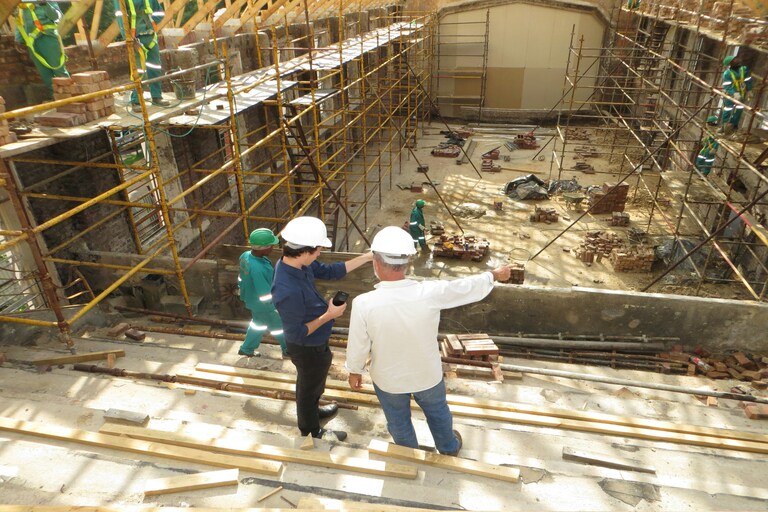
For starters, a commercial building inspection is a detailed visual assessment of a commercial property’s condition.
Here, the goal is to identify existing issues, safety concerns, structural problems, maintenance deficiencies, and potential risks within the building and its systems.
Now, commercial inspections are commonly performed during:
- Property purchases
- Lease agreements
- Building maintenance evaluations
- Investment due diligence
- Renovation planning
- Insurance assessments
- Final construction inspections
Also, unlike residential inspections, commercial inspections in Houston are much more detailed because commercial properties are larger, more complex, and involve far more building systems.
For instance, a small residential property might only have a basic HVAC unit and limited electrical demand.
But a commercial facility involves:
- Large rooftop HVAC systems
- Extensive electrical infrastructure
- Fire suppression systems
- Backup generators
- Elevator systems
- Complex plumbing networks
- Industrial mechanical equipment
- Advanced life safety systems
This is exactly why commercial property inspections need highly specialized inspection procedures.
We help you identify structural concerns, navigate code compliance, and evaluate site risks with clarity.
Why are commercial building inspections so important?
Commercial inspections play a major role in protecting both your property and your investment.
After all, commercial buildings are expensive assets. And if hidden problems go unnoticed, repair costs can quickly become overwhelming later.
A proper commercial building assessment can help detect:
- Structural damage
- Roof leaks
- Electrical safety risks
- Plumbing failures
- HVAC inefficiencies
- Fire safety concerns
- Water intrusion problems
- Drainage issues
- Deferred maintenance
- Potential code violations
In most cases, these issues are not visible during a regular walkthrough.
For buyers especially, inspections help provide a much clearer picture of the building’s true condition before they finalize the purchase.
At the same time, inspections also help existing property owners plan long-term maintenance, prioritize repairs, improve safety, and reduce operational risks.
What do building inspectors look for during a commercial inspection?
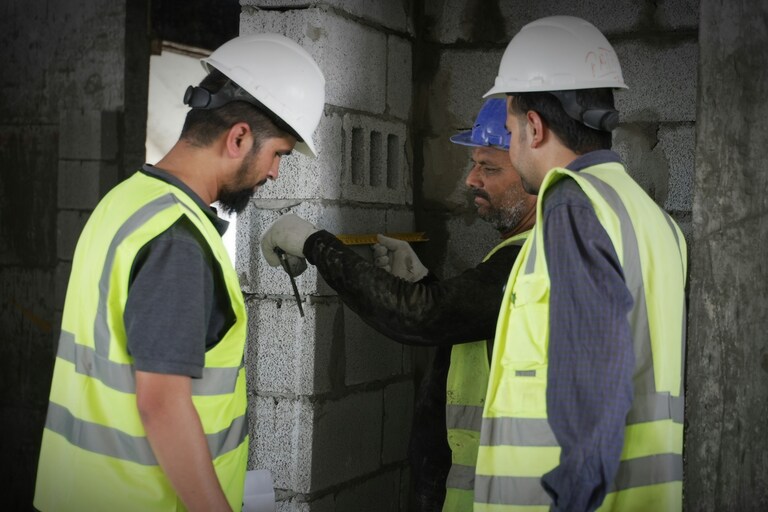
Now let me answer the biggest question, i.e., what do building inspectors look for in commercial properties.
Simply put, inspectors evaluate the overall condition and performance of the property.
Now, although it might sound straightforward, the actual inspection process is very detailed.
Here, commercial inspectors assess whether the building’s systems, components, and structural elements are functioning properly, safely, and according to applicable standards. This includes assessing:
- Structural stability
- Roofing systems
- HVAC performance
- Plumbing infrastructure
- Electrical systems
- Fire safety systems
- Exterior and interior conditions
- Drainage systems
- Accessibility concerns
- Signs of deferred maintenance
- Safety hazards
- Water intrusion
- Ventilation issues
- Code-related concerns
Also, inspectors also look for signs of long-term wear and tear that could affect future building performance.
For instance, even a simple roof drainage issue can eventually lead to water intrusion, mold growth, insulation damage, and structural deterioration. So, this is something inspectors will look for during an inspection.
Overall, here’s what building inspectors look for during inspections:
1. Structural and foundational issues
Structural components are one of the most important parts of any commercial building inspection.
That’s because the structure is what supports the entire building. And if there are serious structural problems, they can affect the safety, stability, and long-term service life of the property.
So, what does a building inspector look for here?
Well, they examine:
- Foundation movement
- Structural cracks
- Uneven settlement
- Wall displacement
- Floor deflection
- Water-related structural damage
- Steel corrosion
- Concrete deterioration
- Signs of overloading
- Roof framing issues
Here, cracks around doors and windows could indicate movement within the building structure. Similarly, uneven floors might point toward settlement problems or structural shifting.
Inspectors also look for signs of water intrusion because moisture is one of the biggest threats to structural integrity over time.
2. Roofing damage
Roofing systems are another major focus where inspectors thoroughly assess roofing conditions.
After all, the roof is your building’s first line of defense against weather exposure, water intrusion, and environmental damage. And since commercial roofs are often large and complex, even small roofing problems can eventually create major operational issues.
Here, inspectors look for:
- Roofing material defects
- Ponding water
- Roof drainage issues
- Flashing performance
- Roof penetrations
- Membrane damage
- Surface deterioration
- Signs of leaks
- Condition of roof-mounted equipment
- Previous repair quality
Inspectors also pay close attention to rooftop HVAC units and mechanical equipment because improper installation or poor maintenance can damage roofing systems.
3. HVAC and mechanical system problems
HVAC systems are among the most expensive and operationally important systems in commercial buildings. And this is exactly why inspectors spend a lot of time evaluating these during inspections.
Now, commercial HVAC systems are often far more complicated than residential systems. They involve:
- Rooftop units
- Chillers
- Boilers
- Cooling towers
- Exhaust systems
- Ventilation systems
- Building automation controls
- Multiple HVAC zones
So there are many areas where problems can potentially develop.
This is why inspectors look for issues such as:
- Poor equipment condition
- Improper airflow
- Excessive wear
- Rust and corrosion
- Dirty filters
- Refrigerant concerns
- Ventilation deficiencies
- Inadequate maintenance
- Damaged ductwork
- Indoor air quality concerns
Also, inspectors check whether HVAC systems are appropriately sized for the building’s occupancy and operational demands.
4. Electrical system failures
Electrical failures can create serious safety hazards, operational downtime, equipment damage, and even fire risks.
This is exactly why inspectors carefully assess the building’s electrical systems for safety, functionality, and visible deficiencies.
But what does a building inspector check during an electrical inspection?
Well, they evaluate:
- Main electrical panels
- Wiring conditions
- Circuit breakers
- Electrical grounding
- Emergency lighting
- Backup power systems
- Exposed wiring
- Electrical capacity
- Signs of overheating
- Panel accessibility
- Safety hazards
- Lighting systems
For instance, inspectors often look for overloaded electrical panels, loose wiring, improper modifications, missing covers, or outdated electrical components.
Similarly, they identify warning signs such as burn marks, corrosion, overheating, or unsafe electrical installations.
5. Plumbing system woes
In commercial properties, plumbing systems are very extensive. They include:
- Water supply systems
- Drainage piping
- Sewer lines
- Stormwater systems
- Water heaters
- Gas piping
- Grease waste systems
- Backflow prevention devices
- Commercial fixtures
- Fire sprinkler piping
This is exactly why plumbing inspections are so important in commercial property assessments. Here, inspectors look for:
- Active leaks
- Water damage
- Corrosion
- Poor drainage
- Pipe deterioration
- Inadequate water pressure
- Improper installations
- Fixture damage
- Signs of previous plumbing failures
- Drain blockages
6. Fire safety system defects
Since fire safety regulations are strict in commercial buildings, inspectors carefully evaluate whether the property’s fire protection systems are functional, accessible, and properly maintained.
They assess:
- Fire alarm systems
- Smoke detectors
- Fire sprinkler systems
- Emergency exits
- Exit signage
- Emergency lighting
- Fire extinguishers
- Fire-rated doors
- Electrical fire hazards
- Obstructed exit paths
- Fire suppression systems
Also, they look for signs of poor maintenance or non-functional equipment.
For instance, inspectors check for blocked exits, missing extinguishers, damaged sprinkler heads, or malfunctioning emergency lighting, all of which are major life safety concerns.
7. Interior component failure
Once major systems have been evaluated, inspectors also assess the building’s interior condition.
Now, while interior finishes might not always seem as critical as structural or mechanical systems, they can still reveal important signs of problems. For instance, interior damage often points toward moisture intrusion, ventilation deficiencies, deferred maintenance, or structural movement.
This is exactly why inspectors carefully examine interior areas throughout the property. They assess:
- Interior walls
- Ceilings
- Flooring
- Doors
- Windows
- Stairways
- Restrooms
- Tenant spaces
- Common areas
- Interior finishes
So, what do building inspectors look for in interior components?
Well, they check for:
- Cracks
- Water stains
- Mold growth
- Damaged flooring
- Ceiling deterioration
- Poor workmanship
- Accessibility concerns
- Safety hazards
- Signs of excessive wear
For instance, discoloration on ceilings might indicate active roof leaks or plumbing failures above. So this is something inspectors check carefully.
8. Problems in exterior areas, parking lots, and drainage
Commercial inspections also include the property’s surrounding exterior areas.
You see, many property owners focus heavily on the building itself while overlooking the site conditions around it. But exterior drainage and accessibility issues can create major problems later.
This is exactly why inspectors evaluate areas such as:
- Parking lots
- Sidewalks
- Curbs
- Exterior lighting
- Retaining walls
- Site drainage
- Landscaping impact
- Exterior stairs
- Loading areas
- Accessibility paths
Now, one of the biggest concerns here is drainage problems as they can cause:
- Foundation movement
- Water intrusion
- Pavement deterioration
- Soil erosion
- Structural damage
Also, inspectors look for trip hazards, damaged pavement, poor grading, standing water, and accessibility concerns throughout the property.
In short, here’s what building inspectors look for during commercial building inspections:
| Inspection Area | What Inspectors Check |
| Structural & Foundation | Cracks, settlement, movement, water damage |
| Roofing Systems | Leaks, ponding water, drainage, membrane damage |
| HVAC Systems | Airflow, equipment condition, ventilation issues |
| Electrical Systems | Wiring, panels, grounding, overheating risks |
| Plumbing Systems | Leaks, corrosion, drainage, pipe condition |
| Fire Safety Systems | Alarms, sprinklers, exits, emergency lighting |
| Interior Components | Water stains, mold, damaged flooring, wear |
| Exterior & Drainage | Parking lots, grading, standing water, trip hazards |
What does a building inspector check first?
Now, while inspection workflows can vary depending on the property type and inspector, most commercial inspections begin with the building’s exterior and structural systems.
That’s because exterior conditions often provide early warning signs about deeper building problems.
For instance, inspectors might first asses:
- Foundation movement
- Exterior wall conditions
- Roof drainage performance
- Cracks in masonry
- Settlement issues
- Water intrusion signs
- Parking lot deterioration
- Sidewalk hazards
- Grading and drainage problems
These areas can reveal major structural or maintenance concerns long before inspectors move inside the building.
And once the exterior assessment is completed, inspectors move toward interior systems and operational equipment.
Bonus: Here are some common problems inspectors find during commercial building inspections
| Common Problem | Potential Problem It Can Cause |
| Roof leaks | Water intrusion and mold growth |
| HVAC neglect | Poor air quality and high energy costs |
| Electrical deficiencies | Fire hazards and operational downtime |
| Plumbing leaks | Water damage and sanitation concerns |
| Foundation settlement | Structural instability |
| Poor drainage | Water accumulation and building damage |
| Fire safety deficiencies | Increased life safety risks |
| Deferred maintenance | Expensive long-term repairs |
How does a commercial building inspection differ from a residential inspection?
Commercial building inspections are much more detailed and complex than residential inspections. That’s because commercial properties involve:
- Larger structural systems
- Complex HVAC infrastructure
- Higher electrical demand
- Advanced plumbing systems
- Fire suppression equipment
- Multiple occupancy areas
- Commercial-grade roofing systems
- Greater safety requirements
For instance, a residential inspection might only have a single HVAC unit and a limited electrical setup. But a commercial property inspection could have:
- Multiple rooftop HVAC units
- Large electrical distribution systems
- Backup generators
- Elevator systems
- Industrial mechanical equipment
- Extensive plumbing infrastructure
- Specialized ventilation systems
This increases the overall complexity of the inspection process.
At the same time, commercial buildings also have stricter safety standards, accessibility requirements, and operational considerations compared to residential properties.
That’s also why commercial building inspection costs are higher as they often require more coordination, specialized knowledge, and detailed reporting.
What happens after the inspection is completed?
Once the commercial inspection is completed, the inspector prepares a detailed commercial building condition report.
This report outlines the inspector’s findings about the building’s systems, components, deficiencies, safety concerns, and overall condition.
Now, depending on the scope of the inspection, the report can include:
- Structural observations
- Roofing conditions
- HVAC findings
- Electrical deficiencies
- Plumbing concerns
- Fire safety observations
- Moisture intrusion signs
- Safety hazards
- Maintenance recommendations
- Estimated repair priorities
In many cases, inspectors also include photographs and documentation to help you better understand the findings.
We help you identify structural concerns, navigate code compliance, and evaluate site risks with clarity.
Conclusion
I am sure that by now, you have a clear understanding of what do building inspectors look for during commercial property inspections.
As you can see, a commercial inspection involves far more than just a basic walkthrough of the building.
Here, inspectors evaluate the overall safety, functionality, structural integrity, and performance of major building systems ranging from roofing and HVAC to plumbing, electrical infrastructure, drainage, and fire safety systems.
And these inspections help detect hidden problems that could otherwise lead to expensive repairs, operational disruptions, safety risks, and long-term maintenance issues.
So whether you’re purchasing a commercial property, planning renovations, managing an existing facility, or preparing for a final inspection, a proper commercial building assessment is something you should never overlook.
Got more questions or looking to schedule a commercial building inspection?
You can get in touch with us!
At Bullseye Engineering Inspection, our engineering and inspection services are backed by decades of experience and local expertise. And we help property owners, investors, developers, and commercial buyers make smarter property decisions with confidence.
FAQs about commercial building inspections
What do building inspectors look for in commercial properties?
Commercial building inspectors evaluate the overall condition, safety, and functionality of the property.
This includes examining:
- Structural systems
- Roofing
- HVAC systems
- Plumbing
- Electrical systems
- Fire safety systems
- Drainage
- Interior and exterior conditions
Inspectors also look for safety hazards, deferred maintenance, and potential repair concerns.
What does a building inspection cover?
A commercial building inspection usually covers all major building systems and components.
This includes:
- Foundation and structure
- Roofing systems
- HVAC equipment
- Electrical infrastructure
- Plumbing systems
- Fire protection systems
- Parking lots and drainage
- Interior and exterior conditions
The inspection helps identify existing defects and maintenance issues.
What does a building inspector check during an inspection?
Building inspectors check whether the property’s systems and components appear safe, functional, and properly maintained.
They look for:
- Structural damage
- Roof leaks
- Electrical hazards
- Plumbing failures
- HVAC deficiencies
- Fire safety concerns
- Water intrusion
- Signs of deferred maintenance
What is required for a final building inspection?
A final building inspection usually requires all major construction work to be completed according to approved plans and applicable building codes.
What do city inspectors look for during final inspections?
City inspectors mainly focus on code compliance, safety, and occupancy standards. They usually check:
- Fire safety systems
- Emergency exits
- Guardrails
- Electrical safety
- Plumbing functionality
- HVAC operation
- Accessibility compliance
Their goal is to ensure the building is safe for occupancy and meets local building requirements.
Why are commercial property inspections important?
Commercial property inspections help identify hidden defects, maintenance concerns, and safety risks before they become larger problems.
These inspections can help reduce:
- Unexpected repair costs
- Operational disruptions
- Liability risks
- Safety hazards
- Long-term maintenance expenses
They also help buyers and investors make more informed decisions.
How long does a commercial building inspection take?
The inspection timeline depends on the size, complexity, and condition of the property.
Smaller commercial properties might take a few hours, while larger facilities can require multiple days for a complete inspection and assessment process.
Can poor maintenance affect a commercial inspection?
Absolutely.
Deferred maintenance is one of the most common issues inspectors identify during commercial property inspections.
Poor maintenance can lead to:
- Structural deterioration
- Roof failures
- HVAC inefficiencies
- Plumbing leaks
- Electrical hazards
- Higher future repair costs
That’s why regular inspections and maintenance planning are extremely important for commercial buildings.