

When it comes to commercial construction, MEP engineering is one of the most critical elements that can make or break your project.
This is exactly why it is essential you know what is MEP engineering. More so if you’re a property owner, investor, developer, or first-time commercial real-estate buyer.
You see, MEP systems are hidden behind walls, ceilings, utility rooms, and mechanical spaces. Yet these systems are responsible for keeping your entire building functional, comfortable, safe, and operational every single day.
Think about everything a commercial building needs in order to operate properly, including HVAC, lighting, plumbing, drainage, fire protection, and more. All of these systems fall under MEP engineering.
Simply put, MEP systems are what truly make a building usable. And this is exactly why MEP engineers play such a major role in commercial construction projects.
In this blog, I will explain it all. You’ll know:
- What MEP engineering really means
- What is MEP in construction
- The difference between mechanical, electrical, and plumbing systems
- Why MEP design is important
And much more.
So, let’s get into it.
Key takeaways
- MEP stands for mechanical, electrical, and plumbing engineering
- MEP systems are responsible for a building’s functionality, safety, comfort, and efficiency
- MEP engineering is one of the most important parts of commercial construction projects
- Mechanical systems include HVAC, ventilation, and climate control
- Electrical systems include power distribution, lighting, and emergency systems
- Plumbing systems manage water supply, drainage, and piping infrastructure
- Proper MEP design helps reduce long-term maintenance and operational costs
What is MEP engineering?

For starters, MEP engineering involves the planning, design, coordination, and management of mechanical, electrical, and plumbing systems within a building.
Here, MEP stands for mechanical, electrical, and plumbing systems. These are the systems that make buildings livable, functional, safe, and comfortable.
Together, these systems form the core infrastructure of nearly every commercial, industrial, residential, healthcare, retail, and institutional building.
You see, modern buildings are much more than just walls and roofs. A building also needs systems that can control temperature, provide lighting and electricity, deliver clean water, remove wastewater, support fire protection, maintain indoor air quality, and keep occupants safe.
And this is where mechanical electrical plumbing engineering comes into the picture.
Without proper MEP engineering, commercial buildings can quickly develop problems like poor energy efficiency, indoor comfort issues, electrical overload problems, water damage, etc.
That’s why MEP engineering is considered one of the most important parts of commercial construction and building design.
We help you identify structural concerns, navigate code compliance, and evaluate site risks with clarity.

What is MEP in construction?
In construction, MEP refers to the actual building systems that are installed to support the operation of the property. This includes the following:
- HVAC systems
- Electrical wiring
- Lighting
- Water supply
- Drainage
- Fire protection systems
- Backup power
- Ventilation systems
- Building automation controls
So, for instance, while a civil engineer in Houston focuses on the building’s structural stability and foundation systems, MEP engineers focus on how the building actually functions behind the scenes.
You can think of MEP systems as the working organs of a building. They might not always be visible, but they are absolutely essential for day-to-day operations.
Why is MEP engineering so important in commercial buildings?
MEP systems directly affect how a building performs over the long term. And in commercial properties, poor MEP planning can create major problems later.
That’s because commercial buildings are much larger and more complex than residential properties. And they involve higher occupancy, larger HVAC loads, more electrical demand, bigger fire safety systems, extensive plumbing, and stricter code requirements.
This is exactly why proper MEP design becomes so important.
Here, a well-designed MEP system helps improve energy efficiency, comfort, safety, and system reliability. Also, it ensures better long-term maintenance planning and operational cost control.
What are the three main components of MEP engineering?
MEP engineering is divided into three primary categories, namely:
- Mechanical systems
- Electrical systems
- Plumbing systems
Here, each category plays a major role in building performance.
Let’s have a close look at each one of them:
1. Mechanical systems
Mechanical systems primarily deal with heating, ventilation, air conditioning, and climate control within your building. And this is usually the largest and most complex part of most commercial MEP engineering projects.
Mechanical systems in MEP designs include:
- HVAC systems
- Rooftop units
- Boilers
- Chillers
- Ventilation systems
- Ductwork
- Exhaust systems
- Indoor air quality systems
- Smoke control systems
- Building automation controls
Now, in Texas especially, optimum HVAC performance is incredibly important because of extreme summer temperatures and long cooling seasons.
Here, commercial buildings place heavy demands on cooling systems throughout the year. And if your HVAC system is poorly designed, your building can experience uneven temperatures, high humidity, poor airflow, energy inefficiency, and premature equipment wear.
That’s exactly why mechanical design is such a major part of overall MEP design in Texas.
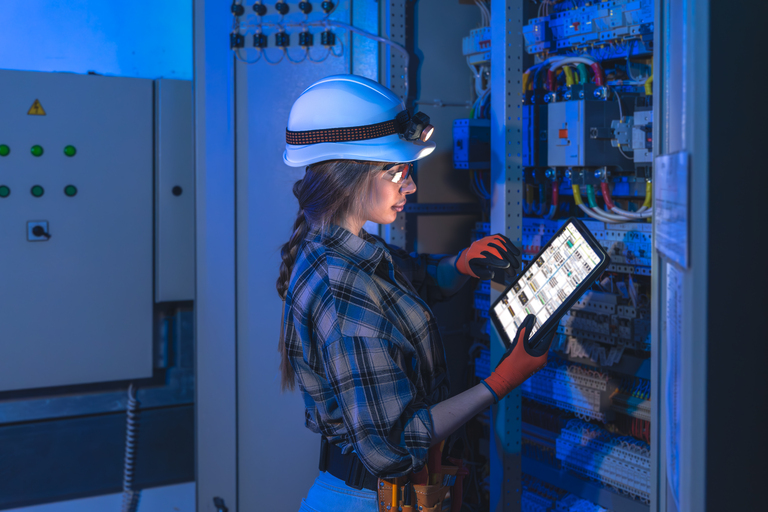
2. Electrical systems
Electrical systems are responsible for supplying power throughout your building safely and efficiently.
Now, commercial electrical infrastructure is often far more complicated than you might realize.
That’s why this part of MEP engineering includes:
- Main electrical service
- Power distribution systems
- Lighting systems
- Backup generators
- Emergency power systems
- Electrical panels
- Transformers
- Low-voltage systems
- Fire alarm systems
- Security systems
- Grounding systems
Here, electrical engineers focus heavily on power demand, system reliability, safety, energy efficiency, and code compliance.
After all, even a slight electrical failure can create business interruptions, safety hazards, damage, and operational downtime. Not to mention the major repair costs that follow.
3. Plumbing systems
Plumbing systems manage water movement throughout your building.
Now, you might think plumbing only involves sinks and toilets. But commercial plumbing systems are much more extensive than that. They include:
- Water supply systems
- Drainage systems
- Stormwater systems
- Sewer piping
- Water heaters
- Gas piping
- Grease waste systems
- Backflow prevention systems
- Fire sprinkler infrastructure
Also, in larger commercial buildings, plumbing design becomes highly complex because engineers want to ensure proper water pressure, drainage capacity, fixture requirements, and long-term maintenance access.
In short, here’s what the three MEP components include:
| MEP Component | What It Includes |
| Mechanical systems | HVAC, ventilation, cooling, heating |
| Electrical systems | Power, lighting, alarms, generators |
| Plumbing systems | Water supply, drainage, piping systems |
What do MEP engineers actually do?
A lot of people assume MEP engineers only create construction drawings. But in reality, their role is much broader than that.
MEP engineers are heavily involved in the following:
- System planning
- Building coordination
- Design calculations
- Energy efficiency planning
- Construction coordination
- Code compliance
- Equipment selection
- Long-term building performance
Plus, they work closely with architects, structural engineers, general contractors, developers, property owners, and facility managers to ensure all building systems work together properly.
Engineering apart, this also helps you make sure your building meets commercial building inspection checklist requirements.
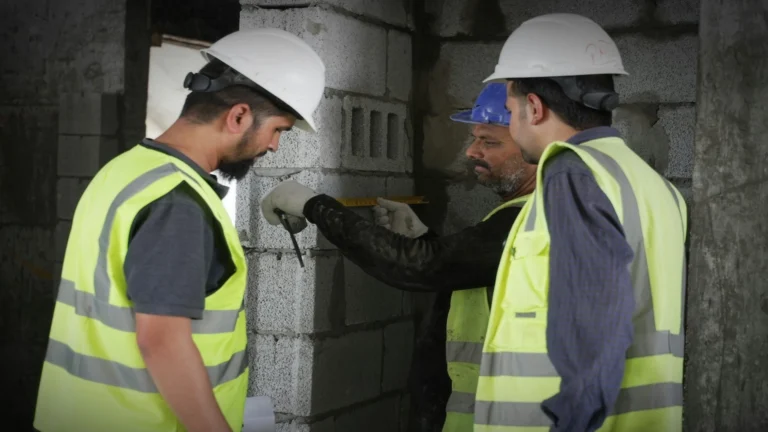
For instance, during construction, MEP engineers often coordinate duct routing, electrical conduit placement, pipe layouts, ceiling clearances, mechanical room access, and equipment installation locations.
Without this, different systems can interfere with each other and create expensive construction delays later.
What types of buildings require MEP engineering services?
Almost every modern building today relies on MEP systems in some form.
However, commercial MEP engineering becomes especially important in larger and more complex facilities. This includes:
- Office buildings
- Retail centers
- Hotels
- Restaurants
- Hospitals
- Industrial facilities
- Apartment complexes
- Warehouses
- Schools
- Data centers
- Mixed-use developments
Now, different buildings have very different MEP requirements. For instance:
- A hospital requires highly specialized ventilation systems and backup power infrastructure.
- A restaurant needs grease exhaust systems, plumbing coordination, and fire suppression systems.
- A warehouse requires large ventilation systems and heavy electrical capacity.
- An office building depends heavily on HVAC zoning, lighting efficiency, and occupant comfort systems.
This is why MEP engineering services are usually customized based on your building type, occupancy needs, and operational requirements.
Bonus: here are some common problems caused by poor MEP design:
| Common Problem | Potential Result |
| Poor HVAC sizing | Uneven temperatures and high utility bills |
| Bad plumbing coordination | Leaks and water damage |
| Electrical overloads | Safety risks and downtime |
| Poor ventilation | Indoor air quality problems |
| Limited maintenance access | Higher repair costs |
| System conflicts | Construction delays and rework |
How does commercial MEP engineering differ from residential MEP work?
Commercial MEP engineering is usually much more complex than residential projects.
That’s because commercial buildings often involve larger occupancy loads, more advanced HVAC systems, extensive electrical infrastructure, complex fire protection systems, and huge plumbing demands.
For instance a residential property might only require a small HVAC system. But a large office building will need multiple rooftop units, ventilation systems, controls, backup systems, and electrical distribution networks.
This is why commercial MEP engineering typically involves far more MEP coordination, planning, and technical complexity than residential construction.
We help you identify structural concerns, navigate code compliance, and evaluate site risks with clarity.
Conclusion
I am sure that, by now, you have a clear understanding of what is MEP engineering is and why it plays such an important role in commercial construction.
And as you can see, MEP systems are responsible for far more than just heating, plumbing, and electricity. They directly affect building performance, occupant comfort, energy efficiency, safety, operational reliability, and long-term maintenance costs.
So whether you’re planning a new commercial project, renovating an older building, or simply assessing property systems, MEP engineering works are something you should never ignore.
Got more questions or looking to hire a civil engineering company in Houston?
You can get in touch with us!
At Bullseye Engineering Inspection, our engineering and inspection services are backed by decades of local expertise and experience.
We help commercial property owners, investors, developers, and business owners make smarter building decisions with confidence.
FAQs about MEP engineering
What does MEP stand for in engineering?
MEP stands for mechanical, electrical, and plumbing engineering. These systems work together to support a building’s functionality, safety, comfort, and operation.
What is MEP in construction?
In construction, MEP refers to the building systems responsible for:
- Heating and cooling
- Electrical power
- Lighting
- Water supply
- Drainage
- Ventilation
- Fre protection
These systems are installed throughout the building during construction.
What is the role of an MEP engineer?
MEP engineers design, coordinate, and evaluate building systems such as HVAC, electrical infrastructure, and plumbing systems.
They help ensure buildings operate safely, efficiently, and according to code requirements.
What are mechanical systems in MEP engineering?
Mechanical systems mainly include:
- HVAC systems
- Ventilation systems
- Heating equipment
- Cooling systems
- Indoor air quality controls
These systems help regulate indoor climate and occupant comfort.
What are electrical systems in MEP engineering?
Electrical systems include:
- Power distribution
- Lighting
- Electrical panels
- Backup generators
- Fire alarms
- Emergency power systems
These systems provide safe electrical infrastructure throughout the building.
What are plumbing systems in MEP engineering?
Plumbing systems manage:
- Water supply
- Drainage
- Sewer piping
- Stormwater systems
- Gas piping
- Plumbing fixtures
These systems help maintain sanitation and water flow throughout the building.
What is MEP coordination?
MEP coordination is the process of organizing mechanical, electrical, and plumbing systems so they fit and function properly together within a building. It helps prevent system clashes, construction delays, and costly rework during commercial construction projects.
What is BIM in MEP engineering?
BIM stands for Building Information Modeling.
It is a digital coordination process used to create 3D building system models and identify conflicts before construction begins.
Is MEP engineering different in commercial buildings?
Yes.
Commercial MEP engineering is much more complex because commercial properties often involve:
- Larger HVAC systems
- Higher electrical demand
- Complex plumbing infrastructure
- Advanced life safety systems
Can poor MEP design create long-term building problems?
Absolutely.
Poor MEP coordination can lead to:
- High utility costs
- Equipment failures
- Water intrusion
- Poor ventilation
- Electrical problems
- Expensive future repairs
That’s why proper MEP planning is extremely important during commercial construction projects.