
If you’re buying, leasing, managing, or investing in commercial property, one thing you absolutely should not skip is building inspection.
That’s because commercial properties can hide some really big problems. And in many cases, these issues aren’t visible during a simple walkthrough.
For instance, a commercial building might look perfectly fine on the outside. But inside, there could be roofing failures, foundation movement, electrical hazards, HVAC issues, plumbing leaks, or major deferred maintenance.
This is exactly why a proper commercial building inspection checklist comes in handy.
Now, commercial property inspections are far more complex than residential inspections because they involve larger structures, systems, equipment, more safety requirements, and major long-term maintenance risks.
So before moving forward with any commercial property transaction, you need to know exactly what should be inspected.
In this blog, I’ll explain it all. You’ll know
- What a commercial property inspection checklist includes
- The most important systems inspectors inspect
- Texas-specific commercial property concerns
- What you should pay close attention to
- Common red flags during inspections
And much more.
So, let’s get into it.
Key takeaways
- A commercial building inspection checklist helps identify major repair risks before purchase or lease agreements
- Commercial inspections are far more detailed than residential inspections
- Structural systems, roofing, HVAC, plumbing, and electrical systems are some of the most important inspection areas
- Older, multi-tenant, and industrial buildings require more complex inspections
- Commercial inspection reports help buyers make more informed investment decisions
- ASTM Property Condition Assessments (PCA) are commonly used during commercial real estate transactions
What is a commercial building inspection checklist?
A commercial building inspection checklist is a detailed list of systems, components, and property conditions that inspectors evaluate during a commercial property inspection.
The goal here is to identify structural concerns, safety hazards, system failures, deferred maintenance, water intrusion, code-related concerns, and potential repair issues.
Now, depending on the property type, the checklist for commercial building inspection can vary quite a bit. For instance:
- A warehouse inspection will focus heavily on roofing, structural framing, loading areas, and electrical systems.
- An apartment complex inspection might involve balconies, tenant units, drainage systems, and safety concerns.
- A restaurant inspection includes grease exhaust systems, plumbing, ventilation, and fire suppression systems.
- Office buildings require larger HVAC and electrical evaluations.
So, not every commercial inspection checklist looks exactly the same.
However, most professional commercial building inspections checklist documents usually include the following major categories:
- Structural systems
- Roofing systems
- HVAC systems
- Electrical systems
- Plumbing systems
- Exterior conditions
- Interior conditions
- Parking lots and drainage
- Fire and life safety systems
- Building envelope evaluation
We help you identify structural concerns, navigate code compliance, and evaluate site risks with clarity.

Why are commercial property inspections so important in Texas?
Commercial properties in Texas face some very unique environmental and structural challenges. And this is one of the biggest reasons why thorough inspections matter so much here.
For instance, Texas commercial buildings deal with expansive clay soil movement, foundation shifting, summer heat, storms and hail, roof wear, drainage issues, moisture intrusion, and HVAC strain.
That’s why a detailed commercial property inspection checklist becomes important before buying or leasing a building.
After all, what looks like a small issue can actually turn into a very expensive repair project later. So it makes more sense to bear commercial building inspection cost than a big-ticket maintenance bill.
Here’s what a standard commercial building inspection checklist includes in Texas

A professional checklist for commercial building inspection covers every major system within the property.
Here are the major areas typically included in a commercial inspection checklist:
1. Structural system inspection
The structural evaluation is usually one of the most important parts of any commercial building inspection. That’s because structural repairs can become incredibly expensive if problems are missed early.
Here, inspectors typically evaluate:
- Foundation performance
- Cracks in walls or floors
- Structural framing
- Load-bearing components
- Steel framing condition
- Signs of settlement
- Structural movement
- Water-related structural damage
- Exterior wall stability
In Texas, foundation movement is especially common because of expansive soil conditions. This is why inspectors pay very close attention to uneven floors, cracking patterns, door and window alignment, brick movement, and visible settlement indicators.
2. Commercial roofing inspection
Commercial roofing systems are another major inspection category. Here, inspection checklist includes:
- Roof membrane condition
- Ponding water
- Drainage systems
- Flashing condition
- Roof penetrations
- Signs of leaks
- Roof aging
- Storm or hail damage
- Rooftop equipment areas
- Sealant deterioration
You see, roofing problems are one of the most expensive issues buyers find after purchasing commercial property. That’s why roof condition alone can heavily influence commercial real estate negotiations in many cases.
3. HVAC system inspection
Commercial HVAC systems are usually much more complex than residential systems. And this is one area where buyers can face major unexpected expenses later if problems go unnoticed.
That’s why HVAC evaluation is one of the most important parts of a commercial building inspection checklist.
Now, during the inspection, professionals typically evaluate:
- Approximate system age
- Visible equipment condition
- Airflow performance
- Thermostat operation
- Ventilation condition
- Drainage systems
- Ductwork condition
- Signs of leaks or corrosion
- Maintenance history (when available)
- General operating performance
Here, inspectors don’t just check whether the system turns on. They also look for signs of deferred maintenance, reduced efficiency, poor installation, rust or corrosion, improper drainage, short cycling, and future replacement risks.
4. Electrical system inspection
Electrical systems are another major component of any commercial building inspections checklist. That’s because you don’t want to come across electrical problems after purchasing a property.
During an inspection, inspectors review the following:
- Main electrical panels
- Subpanels
- Wiring conditions
- Breaker performance
- Grounding and bonding
- Exposed wiring
- Electrical capacity concerns
- Safety hazards
- Visible code-related concerns
- Lighting systems
Also, inspectors look closely for outdated or overloaded electrical infrastructure. This is especially true for older Texas commercial buildings that might have undergone multiple renovations or tenant buildouts over the years.
5. Plumbing system inspection
Plumbing systems are another major part of a commercial property inspection checklist.
Depending on the building type, plumbing inspections can become fairly extensive. Here, inspectors typically evaluate:
- Water supply lines
- Drainage systems
- Visible plumbing leaks
- Water heaters
- Pipe materials
- Fixture condition
- Water pressure concerns
- Drainage performance
- Sewer-related warning signs
- Signs of water intrusion
Now, one thing inspectors pay very close attention to is moisture damage. That’s because moisture can sometimes give out signs of mold growth, cause structural deterioration, damage interiors, and leave you with long-term maintenance problems
6. Exterior inspection
The exterior inspection covers much more than just the outside appearance of the building. Here, inspectors cover:
- Exterior walls
- Windows and doors
- Siding and cladding
- Drainage grading
- Sidewalks
- Parking lots
- Curbs
- Retaining walls
- Landscaping impact
- Exterior lighting
- Accessibility concerns
They check for cracking trip hazards, drainage failures, surface deterioration, ponding water, ADA-related concerns, and pavement damage.
7. Interior inspection
Interior inspections are also a major part of any commercial building inspections checklist. Here, inspectors review the overall condition of interior spaces throughout the property.
Now, depending on the building type, this can involve:
- Offices
- Tenant suites
- Hallways
- Storage areas
- Utility rooms
- Common areas
- Mechanical rooms
- Restrooms
- And operational spaces
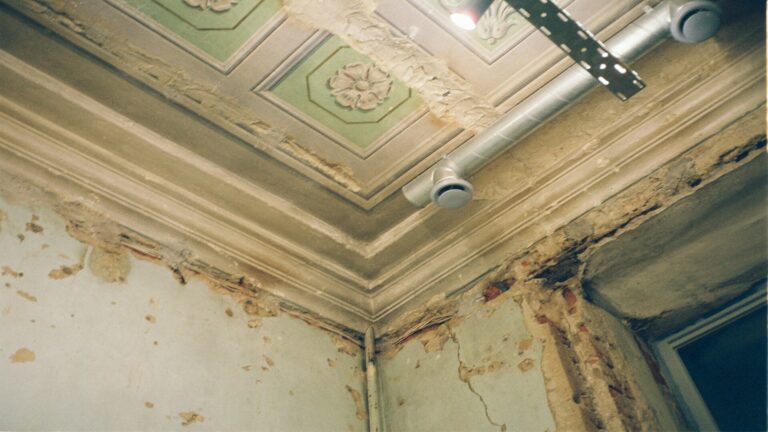
Inspectors typically look for ceiling damage, wall cracking, flooring deterioration, moisture stains, signs of leaks, window issues, stairway safety, interior drainage issues, and visible maintenance problems.
8. Fire and life safety inspection
Fire and life safety systems are another very important part of a commercial inspection checklist.
And if you’re a buyer, this is one area you should never overlook. That’s because safety deficiencies can create serious liability risks, occupancy issues, insurance concerns, code violations, and major safety hazards for tenants or employees.
Now, let me tell you commercial inspectors are not acting as fire code officials.
However, they still evaluate many visible fire and life safety components during the inspection process. This includes:
- Fire extinguishers
- Exit signage
- Emergency lighting
- Fire alarm systems
- Sprinkler systems
- Electrical safety concerns
- Means of egress
- Stairwell safety
- Handrails and guardrails
- Fire door conditions
In larger commercial properties, inspectors also look for blocked exits, unsafe storage practices, improper fire separations, missing safety equipment, and visible code-related concerns.
9. Building envelope inspection
The building envelope is basically the barrier between the inside and outside of the property. And in many cases, envelope-related problems are responsible for major moisture intrusion issues in commercial buildings.
This is why building envelope evaluation is crucial for commercial property inspections checklist reports. Here, inspectors typically evaluate:
- Exterior wall systems
- Sealants and caulking
- Window penetrations
- Water intrusion signs
- Exterior cladding
- Flashing details
- Expansion joints
- Moisture-related deterioration
- Visible insulation concerns
- And weatherproofing performance
Now, Texas weather can be hard on building envelopes, making exterior materials deteriorate faster than you might expect.
This is why inspectors carefully look for staining, sealant failure, cracking, soft materials, rust, mold indicators, and previous repair evidence.
10. Parking lot and drainage inspection
A lot of buyers underestimate how important parking lots and drainage systems are during commercial inspections. But let me tell you, exterior site repairs can become very expensive very fast.
This is especially true for shopping centers, apartment complexes, office parks, industrial facilities, and large multi-building properties where a traffic impact assessment is also needed.
So, this part of the commercial property inspection checklist includes assessing:
- Asphalt condition
- Concrete surfaces
- Surface cracking
- Drainage flow
- Ponding water
- Curbs and sidewalks
- ADA accessibility concerns
- Storm drainage systems
- Surface deterioration
- Erosion concerns
- Retaining walls
- And grading performance
In short, here’s what a commercial property inspection checklist includes:
| Inspection Area | What Inspectors Typically Check |
| Structural systems | Foundation, framing, settlement, cracks |
| Roofing systems | Leaks, drainage, membrane condition |
| HVAC systems | Rooftop units, airflow, ventilation |
| Electrical systems | Panels, wiring, grounding, breakers |
| Plumbing systems | Pipes, leaks, drainage, water heaters |
| Exterior inspection | Parking lots, walls, grading, sidewalks |
| Interior inspection | Ceilings, flooring, moisture damage |
| Fire & life safety | Exits, alarms, extinguishers, stairways |
| Building envelope | Sealants, flashing, water intrusion |
| Drainage & site areas | Ponding water, erosion, runoff issues |
Here are some common red flags inspectors often find in commercial buildings

If you’re a buyer, here’s something you should know: Commercial inspections often uncover issues the seller might not even know about. And in many cases, these problems have been developing slowly over time.
Here are some of the most common red flags inspectors frequently come across during commercial building inspections:
1. Roof leaks and ponding water
Commercial roofs often develop drainage problems over time.
You might come across standing water, damaged membranes, and failed flashing areas. And these are all major warning signs because they can eventually lead to:
- Interior leaks
- Structural deterioration
- Mold growth
- And costly roof replacement projects
2. Foundation movement
Foundation concerns are especially common in Texas. Here, inspectors often find cracked walls, uneven floors, brick separation, door alignment problems, and structural settlement indicators.
Now, not all movement is severe. But significant foundation issues can become very expensive later.
3. Aging HVAC systems
Older rooftop HVAC systems are one of the biggest deferred maintenance concerns in commercial properties.
And replacement costs for large commercial systems can easily become substantial.
4. Electrical safety concerns
Commercial electrical deficiencies are another major issue inspectors commonly discover. This can include unsafe wiring, improper breaker installations, missing panel covers, grounding issues, overloaded circuits, or outdated electrical infrastructure.
These issues can create both safety and insurance risks.
5. Water intrusion and moisture damage
Water intrusion is one of the most common commercial building problems overall. That’s because once water-related damage spreads inside commercial properties, repair costs can increase quickly.
In short, here are common red flags inspectors often find in commercial buildings:
| Common Red Flag | Why It’s a Concern |
| Roof leaks & ponding water | Can cause mold, leaks, and roof failure |
| Foundation movement | Might lead to structural damage |
| Aging HVAC systems | Expensive repairs or replacement risks |
| Electrical safety issues | Fire and insurance hazards |
| Water intrusion & moisture | Can damage interiors and structural systems |
Bonus: Here are some common mistakes buyers make when reviewing a commercial inspection checklist
| Mistake | Why It’s Risky |
| Focusing only on cosmetic issues | Major system problems might get overlooked |
| Ignoring deferred maintenance | Small issues can turn into expensive repairs later |
| Underestimating roof problems | Commercial roof replacement costs are very high |
| Overlooking drainage concerns | Poor drainage can damage foundations and parking lots |
| Not reviewing HVAC age | Aging systems can require major replacement costs |
| Skipping specialist evaluations | Some systems require further expert review |
| Choosing the cheapest inspection | Important systems might not be evaluated thoroughly |
| Ignoring the inspection report details | Repair risks and future costs might be missed |
How long does a checklist for commercial building inspection take to complete?
There’s no definite answer to how long a commercial property inspection checklist can take to complete during a standard inspection. That’s because inspection timelines depend on property size and complexity.
For instance it might take only a few hours to complete the checklist in a small office building. But in a medium-sized retail center, it can require most of a full day
And in large industrial facilities or apartment complexes, it can even take multiple days.
What’s the difference between a standard commercial construction inspection checklist and an ASTM PCA checklist?
A standard commercial inspection and an ASTM Property Condition Assessment (PCA) checklists are similar in many ways, but they are not exactly the same.
That’s because a standard commercial inspection checklist usually focuses on identifying visible deficiencies, safety concerns, system conditions, deferred maintenance, and major repair risks.
Meanwhile, an ASTM PCA checklist is generally more formal and standardized. And it is mostly used in commercial real estate transactions, lending situations, investment due diligence, and large portfolio evaluations.
Also, since ASTM checklists are more detailed, they are often more time-intensive, documentation-heavy, and more expensive to follow than standard commercial inspections.
We help you identify structural concerns, navigate code compliance, and evaluate site risks with clarity.
Conclusion
By now, you probably have a clear idea of what a commercial building inspection checklist includes.
And as you can see, commercial inspections involve far more than just a simple property walkthrough.
A thorough commercial inspection helps identify:
- Structural concerns
- Roofing problems
- HVAC issues
- Electrical deficiencies
- Drainage failures
- Moisture intrusion
- Safety risks
- And expensive deferred maintenance problems
That’s why a detailed commercial property inspection checklist can play a huge role in helping buyers, investors, and property owners make smarter decisions before major transactions move forward.
Got more questions looking to hire a civil engineering company in Houston?
You can get in touch with us.
At Bullseye Engineering Inspection, our civil engineering services are backed by decades of local expertise and trust.
We help buyers, investors, business owners, and property managers make smart real estate decisions and keep their project moving.
FAQs about commercial building inspections checklist
What is included in a commercial building inspection checklist?
A commercial building inspection checklist typically includes evaluation of:
- Structural systems
- Roofing
- HVAC systems
- Electrical systems
- Plumbing
- Exterior conditions
- Interior areas
- Fire and life safety systems
- Parking lots
- And drainage systems
The exact inspection scope can vary depending on the property type and inspection agreement.
Why is a commercial property inspection important?
Commercial property inspections help buyers identify major repair risks and deferred maintenance issues before purchasing or leasing a property.
These inspections can help uncover:
- Roofing problems
- Structural movement
- HVAC deficiencies
- Electrical hazards
- Water intrusion
- And expensive future repair concerns
How long does a commercial building inspection take?
Most commercial inspections take anywhere from several hours to multiple days depending on:
- Property size
- Building complexity
- Number of systems involved
- And reporting requirements
Larger industrial or multi-tenant buildings usually require longer inspections.
Are commercial inspections different from residential inspections?
Yes, commercial inspections are usually much more complex.
Commercial buildings have:
- Larger structures
- Advanced HVAC systems
- Extensive electrical infrastructure
- Multiple tenant spaces
- Industrial equipment
- And larger roofing systems
As a result, commercial inspections require more detailed evaluations and reporting.
What are the biggest red flags during commercial inspections?
Some of the biggest commercial inspection red flags include:
- Roof leaks
- Foundation movement
- Electrical hazards
- Aging HVAC systems
- Water intrusion
- Drainage problems
- And major deferred maintenance
These issues can become very expensive if not identified early.
What is an ASTM Property Condition Assessment (PCA)?
An ASTM PCA is a formal commercial property inspection process commonly used during commercial real estate transactions.
These inspections follow industry standards and often include:
- Detailed building evaluations
- Immediate repair estimates
- Long-term replacement planning
- And standardized reporting
ASTM PCA reports are generally more detailed than standard commercial inspections.
Can commercial inspections help during real estate negotiations?
Absolutely.
Inspection findings often help buyers:
- Negotiate repair requests
- Adjust purchase pricing
- Plan future maintenance budgets
- And better understand investment risks before closing a deal
Do older commercial buildings require more detailed inspections?
In many cases, yes.
Older commercial properties often contain:
- Aging electrical systems
- Older roofing materials
- HVAC equipment nearing replacement age
- Plumbing deterioration
- And deferred maintenance concerns
This usually requires more detailed evaluations during the inspection process.