
If you’re planning a construction project in Texas, you’ve probably come across the term SWPPP.
SWPPP explains how your construction site will prevent sediment, debris, and other pollutants from leaving the property and entering nearby storm drains, creeks, rivers, or other water bodies. And it is an important part of construction compliance and it helps you avoid unnecessary project delays.
Now, the problem is many property owners aren’t exactly sure when a SWPPP is required. They assume it is only needed for large projects or when construction is about to begin.
But my own experience as a civil engineer in Houston says addressing SWPPP requirements early in the planning stage can save both time and money. That’s because it is much easier to plan for stormwater management upfront than to deal with permit issues or project delays later.
In this blog, I have explained everything about SWPPP requirements in Texas, including:
- What is SWPPP?
- When is a SWPPP required in Texas?
- What does a SWPPP plan include?
- Who is responsible for SWPPP compliance?
- And much more.
So, let’s get into it.
Key takeaways
- A SWPPP is required when construction activities disturb one acre or more of land.
- A stormwater pollution prevention plan explains how pollutants will be controlled during construction to protect nearby waterways.
- SWPPP requirements vary depending on the size of the construction project and the applicable Texas construction stormwater permit.
- Regular SWPPP inspections and maintenance are essential to remain compliant throughout the project.
- Failing to comply with SWPPP requirements can lead to project delays, enforcement actions, and costly penalties.
What is a SWPPP?
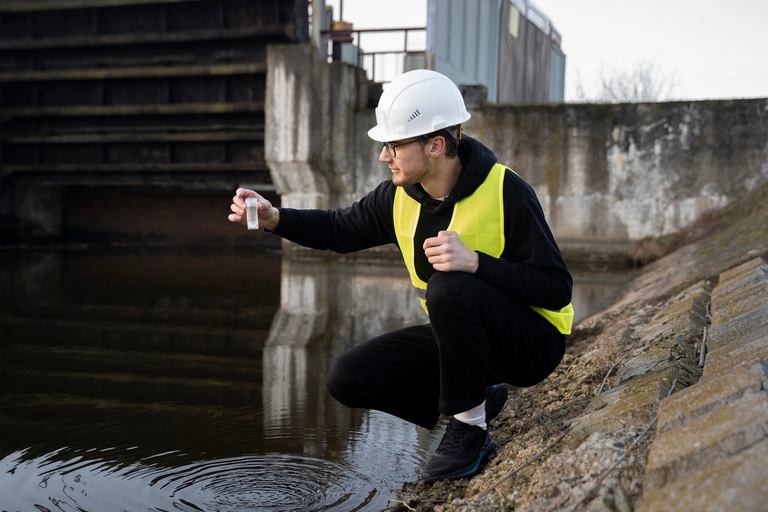
SWPPP stands for Stormwater Pollution Prevention Plan. It is a document that explains how a construction site will prevent stormwater runoff from carrying pollutants into nearby streets, drains, streams, lakes, and other water bodies during construction.
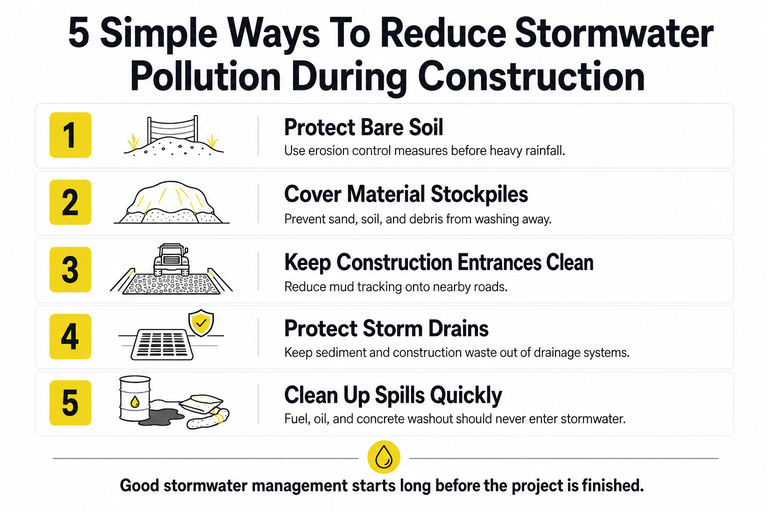
You see, construction activities expose bare soil, stockpile materials, and generate debris. And when it rains, stormwater can wash sediment, chemicals, concrete washout, trash, and other pollutants off the site if proper controls aren’t in place.
A SWPPP identifies these risks and outlines the best management practices that will be used to control them.
Depending on the project, this can include measures such as silt fences, stabilized construction entrances, sediment basins, inlet protection, erosion control blankets, and regular site inspections.
Civil Engineer’s Tip: A lot of people I talk to think SWPPP is just another document needed to obtain a permit. But in reality, it is an important part of managing a construction site responsibly. It helps you stay compliant, reduce environmental issues, costly rework, and unexpected delays during construction.
We help you identify structural concerns, navigate code compliance, and evaluate site risks with clarity.

When is a SWPPP required for Texas construction projects?
Generally speaking, a SWPPP is required when construction activities disturb one acre or more of land.
Also, it can be required if your project disturbs less than one acre but is part of a larger development plan that will disturb one acre or more.
For instance, let’s say you’re constructing a commercial building on a 0.75-acre site. On its own, the project might appear too small to require a SWPPP.
However, even if one phase of your overall commercial development plan will disturb more than one acre of area, SWPPP requirements will apply.
This is why looking at your project in isolation isn’t enough. The overall development plan is just as important as the size of your individual site.
Overall, here’s when is a SWPPP required:
| Project Size | Is a SWPPP Required? |
| Less than 1 acre (not part of a larger development) | Usually not required under the Texas Construction General Permit |
| Less than 1 acre but part of a common plan disturbing 1 acre or more | Yes |
| 1 to less than 5 acres disturbed | Yes |
| 5 acres or more disturbed | Yes |
Note: While the acreage threshold is fairly straightforward, SWPPP requirements don’t stop there. The type of permit you’ll need, who is responsible for the plan, and the notices that must be submitted all vary depending on the size of the project and your role in it.
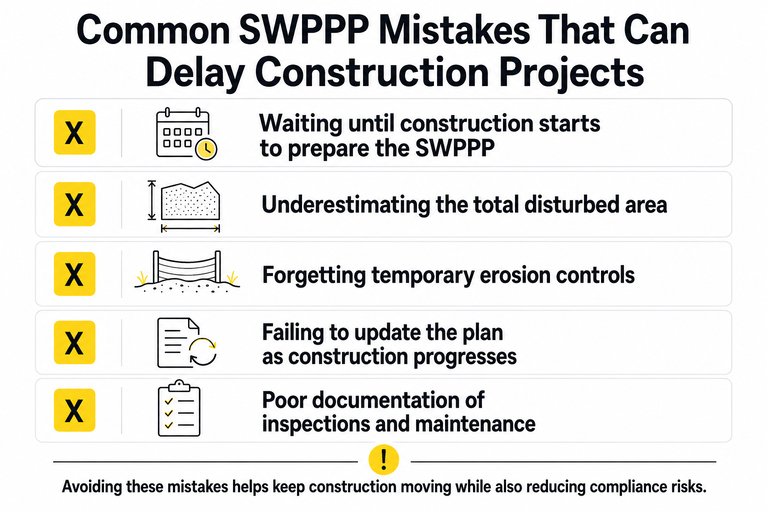
That’s why I always suggest determining your land disturbance area early in the planning process. Waiting until construction is about to begin can create unnecessary permit issues and delay the project before work even starts.
What does a construction stormwater pollution prevention plan include?
Even though every project is different, a construction stormwater pollution prevention plan generally includes things like:
- Information about the construction site
- Potential pollution risks
- The best management practices (BMPs) to control stormwater runoff
Here are some components commonly included in a construction SWPPP plan:
| SWPPP Component | Purpose |
| Site description | Explains the project location, size, and construction activities |
| Site maps | Shows drainage patterns, discharge points, and areas where erosion controls will be installed |
| Best Management Practices (BMPs) | Identifies measures used to control erosion, sediment, and pollutants |
| Inspection procedures | Outlines how and when the site will be inspected during construction |
| Maintenance procedures | Explains how damaged or ineffective BMPs will be repaired or replaced |
| Recordkeeping | Documents inspections, maintenance, and any changes made to the plan |
Simply put, a SWPPP is not a one-time document that’s prepared and then forgotten. It is updated whenever site conditions change, new phases of construction begin, or existing stormwater controls are modified.
That’s why whenever you get a civil engineering costing estimate, I suggest you check if it includes a stormwater pollution prevention plan. A cheaper civil engineering estimate that doesn’t include SWPPP plans can do more harm than good.
Who is responsible for SWPPP compliance?
A common misconception is that the contractor is solely responsible for SWPPP compliance.
In reality, responsibility can be shared depending on the project and each party’s role.
For instance, the property owner, developer, primary operator, and contractors can all have responsibilities under the Texas Construction General Permit. Who does what depends on who has operational control over the site and construction activities.
Generally speaking, here’s how responsibilities are divided:
| Party | Typical Responsibility |
| Property owner or developer | Ensures required permits and stormwater plans are in place |
| Primary operator | Oversees day-to-day implementation of the SWPPP and site compliance |
| Contractors | Install, maintain, and follow the required stormwater control measures |
| Project team | Document inspections, update the SWPPP, and maintain compliance records |
Do you need SWPPP inspections during construction?
Mostly, yes.
If your project requires a SWPPP, you’ll also need to perform SWPPP inspections throughout the construction process to make sure the stormwater detention systems or controls are working as intended.
Here, inspections involve checking erosion and sediment control measures, looking for signs of stormwater pollution, and identifying any damaged or ineffective BMPs that need to be repaired or replaced.
The inspection frequency depends on the applicable permit requirements and site conditions. That’s why I suggest you review your permit obligations before construction begins and maintain proper inspection records throughout the project.
What happens if you don’t comply with SWPPP requirements?
Failing to comply with SWPPP requirements can create much bigger problems than simply missing a piece of paperwork.
If a construction site does not properly manage stormwater runoff, sediment and other pollutants can leave the property and impact nearby roads, drainage systems, streams, or other water bodies. This can result in project delays, enforcement actions, and financial penalties.
Also, local authorities might require you to take corrective measures before construction can continue, which can increase both project costs and timelines.
We help you identify structural concerns, navigate code compliance, and evaluate site risks with clarity.
Bonus: Here’s how to stay compliant with SWPPP requirements
| Step | Benefit |
| Determine your total disturbed area early | Helps identify whether a SWPPP is required |
| Review permit requirements before construction | Avoids delays and compliance issues |
| Install BMPs before land disturbance begins | Reduces erosion and protects nearby waterways |
| Perform regular site inspections | Helps identify and correct issues early |
| Update the SWPPP as site conditions change | Keeps the project compliant throughout construction |
Conclusion
I am sure that, by now, you have a clear understanding of when is a SWPPP required for construction in Texas. Also, you have a good idea why it’s such an important part of the development process.
As you can see, a SWPPP is much more than a regulatory requirement. It helps protect Texas waterways, keeps construction sites compliant, and reduces the risk of costly delays and enforcement actions.
So, if you’re planning a construction project, I recommend reviewing your SWPPP requirements as early as possible.
Got more questions or looking for civil engineering services in Houston?
You can get in touch with us!
At Bullseye Engineering Inspection, our engineering and inspection services are backed by decades of local expertise and experience.
From civil engineering and commercial property inspections to development consulting and compliance support, we help developers, contractors, investors, and property owners make informed decisions throughout every stage of their projects.
FAQs about SWPPP requirements in Texas
What is SWPPP in construction?
A SWPPP, or Stormwater Pollution Prevention Plan, is a site-specific document that explains how a construction project will prevent stormwater runoff from carrying pollutants into nearby waterways during construction. It identifies potential pollution sources and the measures used to control them.
When is a SWPPP required in Texas?
Generally speaking, a SWPPP is required when construction activities disturb one acre or more of land. It can also be required for projects disturbing less than one acre if they are part of a larger common plan of development that will disturb one acre or more.
What does SWPPP stand for in construction?
SWPPP stands for Stormwater Pollution Prevention Plan. It outlines how stormwater runoff will be managed during construction to minimize erosion, sediment, and pollution.
Who is responsible for SWPPP compliance?
Responsibility depends on the project and each party’s role. Property owners, developers, primary operators, and contractors might all have responsibilities for implementing the SWPPP and maintaining compliance throughout construction.
Do all construction projects need a SWPPP?
No. Smaller projects that disturb less than one acre and are not part of a larger common plan of development generally do not require a SWPPP under the Texas Construction General Permit. However, it’s a good idea to confirm the applicable requirements before starting work.