
Frequently Asked Questions
Starting a new project can raise many questions. To help you make informed decisions, we’ve compiled answers to the most common questions our clients ask about engineering, inspections, and environmental services in Houston.
Find Answers to Your Questions
Whether you’re planning new construction, a renovation, or need a property evaluation, our goal is to provide clarity upfront. Below, you’ll find helpful answers covering our structural, civil, MEP, traffic, and inspection services.
What services are included in structural engineering?
We provide foundation design, framing layouts, load calculations, retaining wall design, and structural inspections for residential, commercial, and industrial projects.
When do I need a structural engineer in Houston?
If you notice cracks, uneven floors, sagging ceilings, or plan to modify load-bearing walls, a licensed structural engineer can assess and recommend solutions.
What is a structural inspection in Houston?
A structural inspection evaluates foundations, framing, beams, and load-bearing systems to ensure stability, safety, and code compliance.
How long does a structural evaluation take?
Most structural inspections take 2–4 hours for a standard property. Larger commercial or industrial structures may require additional time.
Can you provide engineering letters for permits?
Yes. We prepare clear, permit-ready documentation for foundations, structural repairs, and load-bearing modifications to support local approvals.
What civil engineering services do you provide?
We handle site layout, grading, drainage, stormwater management, utility design, erosion control, and ADA-compliant parking solutions.
Do you prepare plans for permitting?
Yes. All civil engineering plans are code-compliant, permit-ready, and designed for submission to local jurisdictions in Houston and Texas.
Can you assist with drainage and stormwater management?
Absolutely. We provide detention design, drainage studies, and erosion control solutions to meet local regulatory standards.
How do you support site development projects?
Our team develops functional site layouts, grading plans, and utility coordination to optimize safety, sustainability, and project efficiency.
What types of projects do you handle?
We support residential, commercial, industrial, and mixed-use developments, from new construction to infrastructure upgrades.
What MEP engineering services do you offer?
We provide mechanical, electrical, and plumbing system design, HVAC equipment sizing, load calculations, and code compliance reports.
Why is MEP coordination important?
Coordinating MEP systems with architectural and structural plans ensures safety, efficiency, and compliance with NEC, IPC, IMC, IECC, and local codes.
Do you handle energy code compliance?
Yes. Our engineers verify HVAC, electrical, and plumbing systems meet Houston energy standards and building code requirements.
What types of projects do your MEP engineers handle?
We design MEP systems for small tenant improvements, commercial buildings, industrial facilities, and mixed-use developments.
Can you assist with life safety and fire protection systems?
Yes. We ensure fire protection, life safety, and emergency systems are integrated, compliant, and optimized for building safety.
What traffic engineering services do you provide?
We offer traffic impact analysis, roadway evaluation, access planning, parking studies, circulation analysis, and construction zone traffic control plans.
When do I need a traffic engineer in Houston?
If your project affects roadways, intersections, parking, or pedestrian/bicycle flow, a traffic engineer can optimize safety and mobility.
What is a traffic impact analysis (TIA)?
A TIA evaluates how a proposed development will affect traffic flow, congestion, and safety, providing actionable recommendations for approvals.
Do you provide construction zone traffic control plans?
Yes. We prepare plans following MUTCD standards and local requirements to ensure safety and uninterrupted project progress.
Can you assist with pedestrian and bicycle planning?
Absolutely. Our engineers develop safe routes, circulation plans, and community traffic-calming solutions to improve accessibility and safety.
What is a 3rd party inspection in Houston?
A 3rd party inspection is an independent evaluation of construction, structural, or MEP systems to ensure compliance, quality, and safety.
What types of inspections do you offer?
We provide structural inspections, commercial property assessments, MEP inspections, roof and envelope evaluations, and site/civil inspections.
Why should I hire a 3rd party inspection company?
Independent inspections identify potential defects, code violations, and quality issues without bias, helping prevent costly mistakes or delays.
Do you provide detailed inspection reports?
Yes. We deliver actionable, photo-documented reports with recommendations for repairs, upgrades, or compliance requirements.
How soon can I schedule a 3rd party inspection?
Appointments are typically scheduled within a few business days, depending on project size and inspection scope.
What is a structural inspection?
A structural inspection is an engineering-based evaluation of a building’s foundation, framing, beams, columns, and load-bearing systems to determine structural integrity, identify deficiencies, and assess safety risks.
When should I schedule a structural inspection?
You should request a structural inspection if you notice foundation cracks, uneven floors, wall separations, sagging ceilings, or signs of structural movement. It is also recommended before major renovations or property purchases.
What is included in your structural inspection process?
Our inspection includes a visual assessment of structural components, documentation of observed conditions, evaluation of potential causes, and professional recommendations. When necessary, we provide stamped engineering reports for permitting or repair purposes.
Do you provide a written structural report?
Yes. We provide clear, photo-documented reports outlining findings, risk assessment, and recommended corrective actions. Reports are structured to support contractors, property owners, and regulatory agencies.
Is a structural inspection different from a general home inspection?
Yes. A structural inspection is performed by a licensed engineer and focuses specifically on structural systems, whereas a general home inspection provides a broader overview of visible property conditions.
What is included in a commercial inspection?
A commercial inspection evaluates the overall condition of a building, including structural components, roofing, MEP systems, exterior envelope, parking areas, and safety elements. The goal is to identify visible defects, maintenance concerns, and potential compliance issues before purchase, lease, or renovation.
When should I schedule a commercial property inspection?
Commercial inspections are recommended before purchasing, leasing, refinancing, or renovating a property. They help investors, owners, and developers understand existing conditions and avoid unexpected repair costs.
Do you provide detailed commercial inspection reports?
Yes. We deliver comprehensive, photo-documented reports outlining observed deficiencies, safety concerns, and recommended next steps. Reports are clear, organized, and suitable for due diligence and risk assessment purposes.
Can a commercial inspection identify code violations?
While not a full code enforcement review, our inspection can identify visible deficiencies that may indicate non-compliance with current building or safety standards.
How long does a commercial inspection take?
Inspection time depends on property size and complexity. Small commercial properties may take several hours, while larger facilities may require a full day or multiple site visits.
What does a mold inspection include?
A mold inspection includes a visual assessment, moisture detection, and air or surface sampling when necessary. We identify areas of active growth, water intrusion sources, and conditions that may contribute to mold development.
When should I request a mold inspection?
You should consider testing if you notice musty odors, visible mold growth, recent water damage, or unexplained health symptoms that may be related to indoor air quality.
Do you provide laboratory testing for mold samples?
Yes. Samples are analyzed by certified laboratories to determine mold type and concentration levels, providing objective and defensible results.
Will you provide remediation guidance?
Yes. If mold is identified, we provide clear recommendations for remediation and moisture correction to prevent recurrence.
Is mold testing required before property transactions?
While not always mandatory, mold inspections are often requested during due diligence to reduce liability and ensure safe occupancy conditions.
What is indoor air quality (IAQ) testing?
IAQ testing evaluates airborne contaminants such as mold spores, particulates, allergens, and other pollutants that may affect occupant health and comfort.
When is IAQ testing recommended?
Testing is recommended when occupants experience respiratory symptoms, after water damage, during real estate transactions, or when ventilation performance is in question.
What types of contaminants can you test for?
We can test for mold spores, dust particulates, humidity imbalances, and other airborne pollutants depending on site conditions and concerns.
How are air samples collected?
Air samples are collected using calibrated equipment and sent to accredited laboratories for analysis, ensuring reliable and accurate reporting.
Will I receive a detailed IAQ report?
Yes. Our reports summarize findings, compare results to industry guidelines, and provide recommendations if corrective action is needed.
Multi-Discipline Engineering & Inspection Services in Houston Under One Roof

Commercial & Residential Design & Permit
We provide coordinated, permit-ready structural, civil, MEP, and traffic engineering design services to streamline approvals and simplify complex projects.

Civil Engineering
Site development design, grading and drainage plans, utility coordination, permitting support, and infrastructure documentation.

Traffic Engineering
Traffic impact studies, access management, roadway evaluations, and jurisdiction-ready traffic engineering reports.

Third Party Inspections
Independent construction phase inspections ensuring compliance with approved engineering plans and regulatory standards.

Structural Engineering
Foundation design, structural analysis, load evaluations, retaining wall review, and code-compliant engineering documentation.
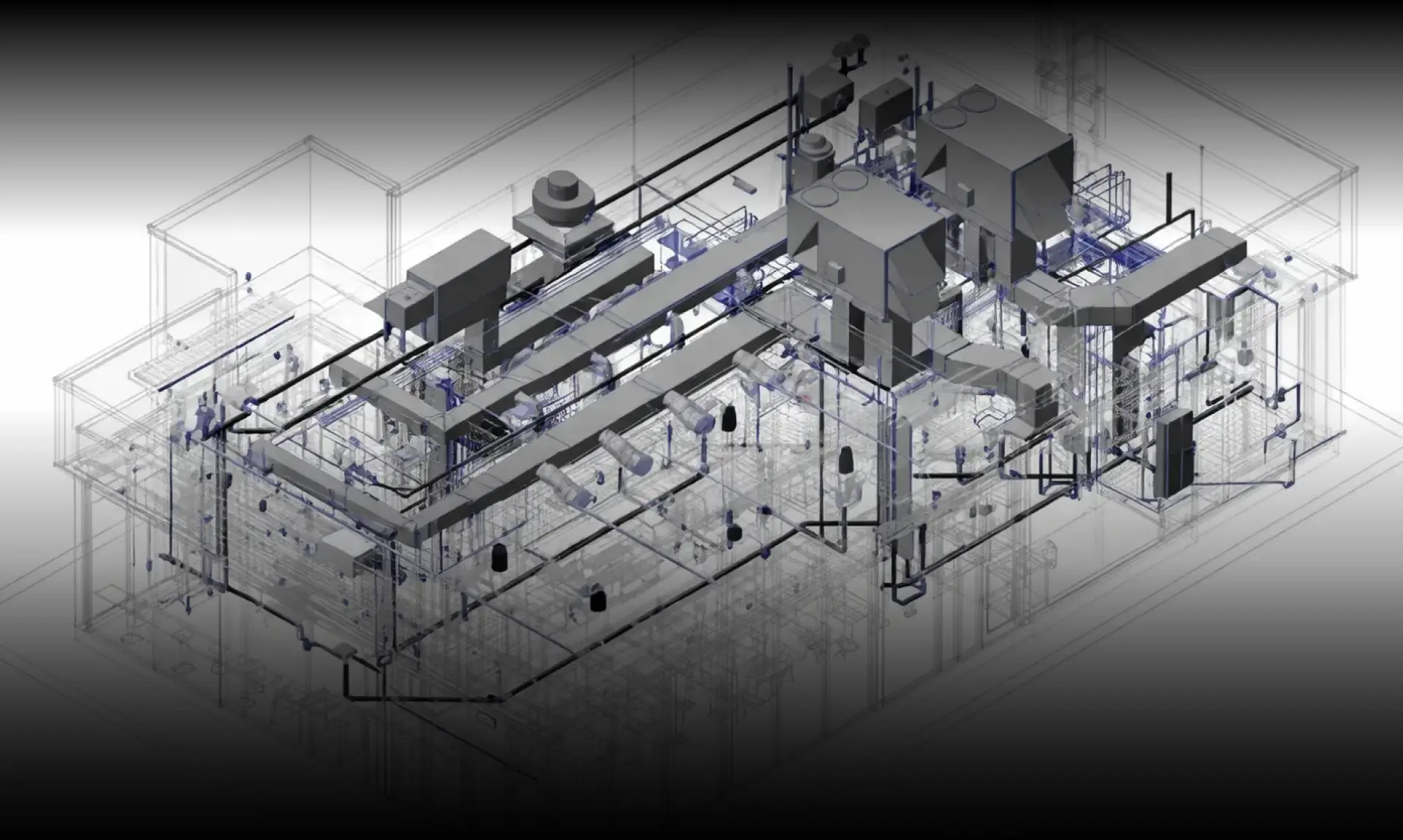
MEP Engineering
Mechanical, electrical, and plumbing system design coordinated with architectural and civil project requirements.

Commercial Inspection
Objective property condition assessments for commercial buildings and development projects.

Structural Inspection
Engineering-based foundation and structural evaluations with clear, defensible reporting.
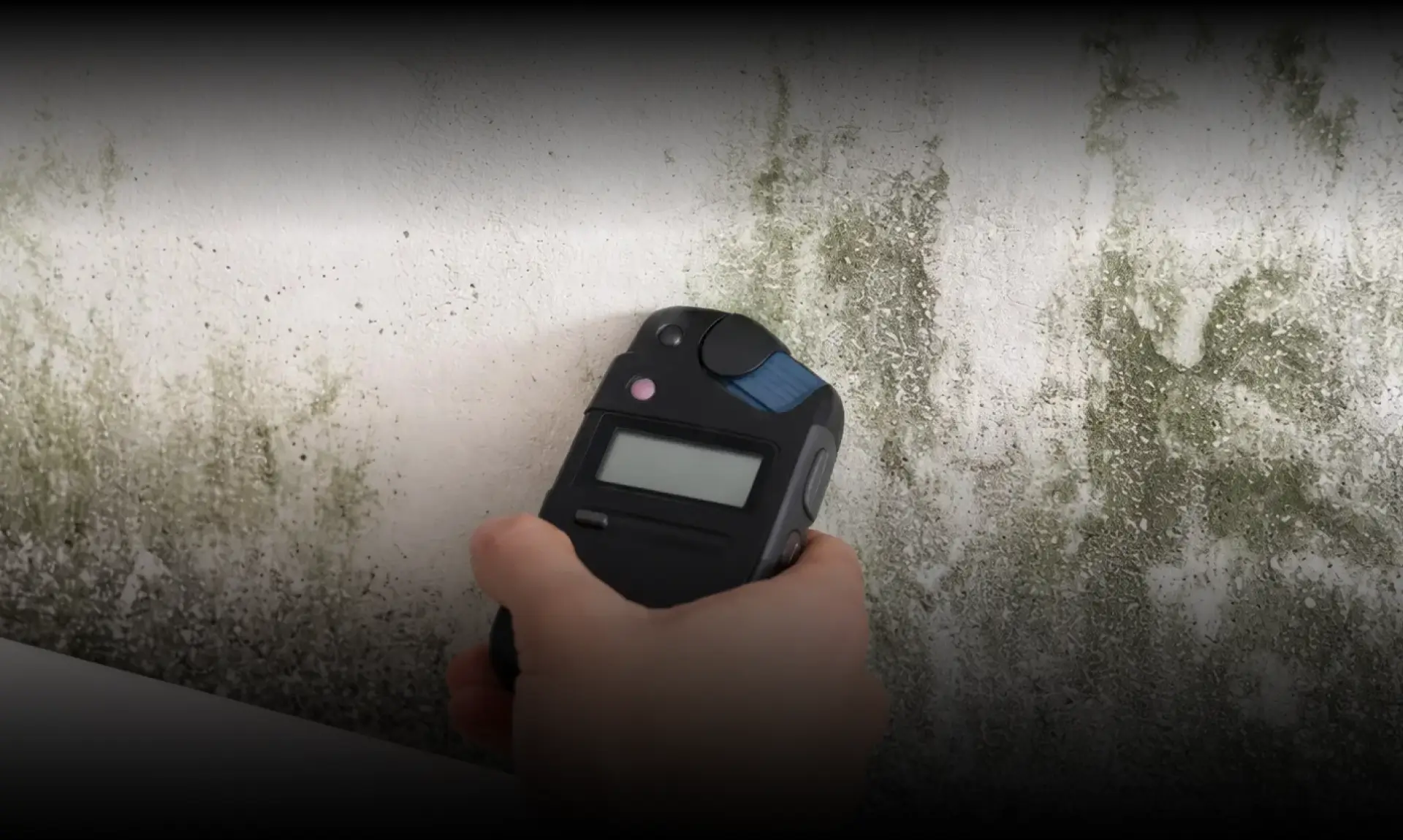
Mold Inspection
Licensed mold assessment and moisture investigation with laboratory-backed findings and remediation guidance.
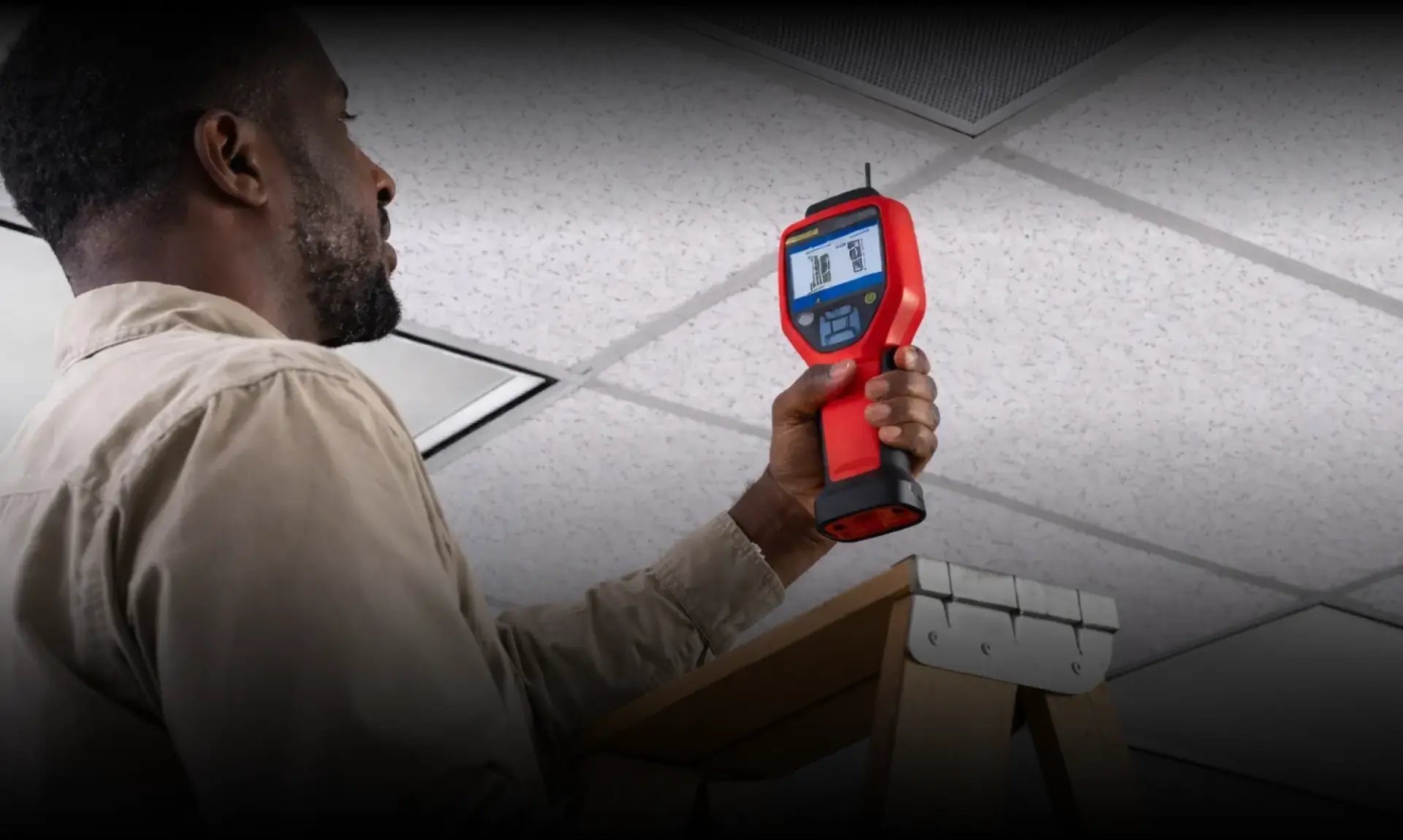
Indoor Air Quality (IAQ) Inspection
Air sampling and contaminant analysis to evaluate indoor environmental conditions and occupant safety.
Get Expert Engineering & Inspection Services Now!
Connect with our licensed professionals for precise evaluations, practical solutions, and dependable reporting.